
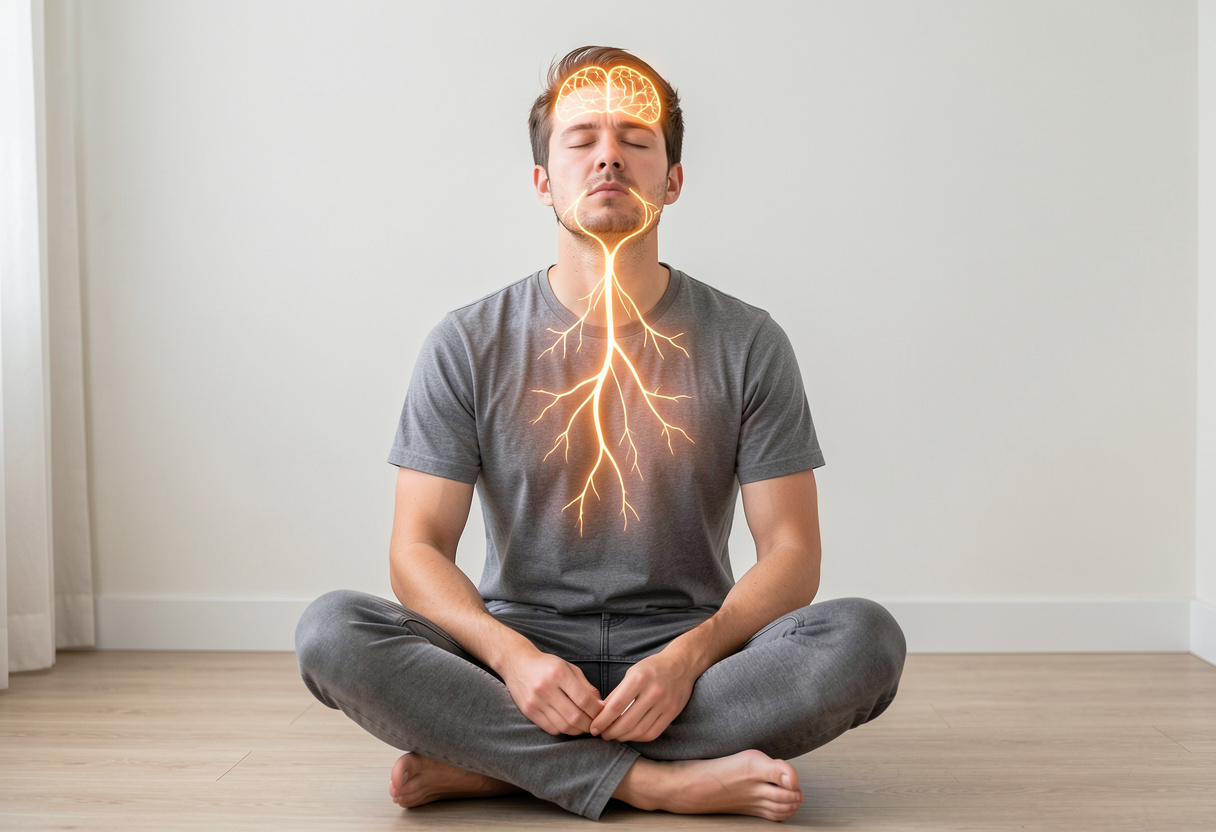
The vagus nerve is the longest cranial nerve in the body, running from the brainstem down through the neck, chest, and abdomen to connect with the heart, lungs, digestive tract, and many other organs. It is the primary pathway of the parasympathetic nervous system — the “rest and digest” counterpart to the stress-activating sympathetic system. Vagal tone, the term for how well the vagus nerve functions, is increasingly recognised as a meaningful indicator of resilience, emotional regulation, and physical health. Low vagal tone is associated with anxiety, depression, inflammatory conditions, and poor cardiovascular health. The remarkable thing about vagal tone is that it is trainable — specific exercises and practices can measurably improve it.
Table of Contents
- What the Vagus Nerve Does
- What Is Vagal Tone
- Vagus Nerve Exercises for Anxiety Relief
- Breathing Techniques
- Lifestyle Practices That Support Vagal Tone
- The Vagus Nerve and Anxiety
- Frequently Asked Questions
- Related Posts
What the Vagus Nerve Does
The vagus nerve carries signals in both directions between the brain and body. About 80% of its fibres carry sensory information upward from organs to the brain — this is why the state of the gut, heart, and lungs has such direct influence on emotional experience and mental state. The remaining 20% carry motor signals downward from the brain to organs. The vagus nerve regulates heart rate, breathing depth, digestive function, inflammation response, and the social engagement behaviours including facial expression, voice tone, and listening. It is the nerve of safety, connection, and rest.
What Is Vagal Tone
Vagal tone is measured by heart rate variability (HRV) — the variation in time between heartbeats. High HRV reflects the heart’s ability to respond flexibly to changing demands, indicating strong vagal influence. Low HRV indicates the heart is locked in a rigid, stress-dominated pattern with less parasympathetic regulation. High vagal tone is associated with emotional regulation, stress resilience, anti-inflammatory capacity, positive social engagement, and better outcomes in cardiovascular, digestive, and mental health. Low vagal tone is associated with anxiety, depression, inflammatory conditions, and irritable bowel syndrome.
Vagus Nerve Exercises for Anxiety Relief
Diaphragmatic Breathing
Slow, deep diaphragmatic breathing directly stimulates the vagus nerve through pressure sensors in the diaphragm and respiratory tract. The key is making the exhale longer than the inhale — extended exhale activates the parasympathetic system. Try inhaling for 4 counts, holding for 2, and exhaling for 6 to 8 counts. Practising for 5 to 10 minutes daily produces measurable improvements in HRV over time.
Humming and Singing
The vagus nerve passes through the larynx and throat. Vibration from humming, singing, chanting, or gargling stimulates vagal nerve endings directly. Even simple humming for a few minutes activates the parasympathetic system and can shift the nervous system out of a stress-activated state. This is one of the fastest and most accessible vagal stimulation practices.
Cold Water Exposure
Splashing cold water on the face, particularly the forehead and around the eyes, activates the diving reflex — a survival response that immediately reduces heart rate and activates the parasympathetic nervous system through vagal pathways. Cold showers produce similar effects. Even 30 seconds of cold water on the face during moments of acute anxiety produces a measurable calming response.
Yoga and Gentle Movement
Yoga, particularly practices that incorporate slow breathing, inversions, and parasympathetic-activating poses (child’s pose, forward folds, savasana), consistently improves HRV and vagal tone with regular practice. The combination of breath regulation and physical movement that yoga provides makes it one of the most comprehensive vagal tone practices available.
Meditation
Loving-kindness meditation (Metta) and mindfulness meditation both improve vagal tone and HRV with consistent practice. The focused attention and compassion cultivation of these practices appear to activate vagal pathways associated with social engagement and positive affect. Even 10 to 15 minutes of daily meditation practice shows measurable vagal effects within weeks.
Breathing Techniques
The 4-7-8 breath (inhale 4, hold 7, exhale 8) is particularly effective for acute anxiety because the extended exhale strongly activates the parasympathetic system. Box breathing (equal counts of inhale, hold, exhale, hold — typically 4-4-4-4) is used by military personnel for stress management and works well during acute stress situations. Alternate nostril breathing (Nadi Shodhana) from yoga tradition balances the nervous system and improves HRV with consistent practice.
Lifestyle Practices That Support Vagal Tone
Regular aerobic exercise, omega-3 fatty acids, adequate sleep, social connection, and time in nature all support vagal tone. The gut-brain connection through the vagus nerve means gut health directly affects vagal function — a healthy microbiome produces compounds that support vagal signalling, while gut inflammation impairs it. Probiotics and fermented foods have been shown to improve vagal function through this gut-brain pathway. Limiting alcohol, which directly reduces vagal tone, and managing chronic stress, which chronically suppresses it, are essential foundations.
The Vagus Nerve and Anxiety
Anxiety disorders are associated with low vagal tone and reduced parasympathetic activity. The relationship is bidirectional — anxiety suppresses vagal function, and low vagal function increases anxiety vulnerability. Vagal stimulation practices work through the bottom-up pathway: changing the body’s physiological state to shift the brain’s emotional processing, rather than using cognitive approaches to manage thought content. This is why breathing exercises and cold water can interrupt acute anxiety rapidly in ways that cognitive reframing cannot always match in the moment of high activation.
Frequently Asked Questions
What is the fastest way to stimulate the vagus nerve?
Splashing cold water on the face activates the diving reflex and parasympathetic response within seconds. Extended exhale breathing (breathing out for longer than you breathe in) is equally fast. Humming or gargling for 30 to 60 seconds produces immediate vagal stimulation through laryngeal vibration.
Can vagus nerve exercises replace anxiety medication?
Vagal stimulation practices are complementary rather than replacement approaches for clinical anxiety disorders. They can meaningfully reduce anxiety symptoms and improve resilience as part of a broader treatment approach, but anyone with a diagnosed anxiety disorder should work with a mental health professional rather than substituting self-directed practices for clinical treatment.
