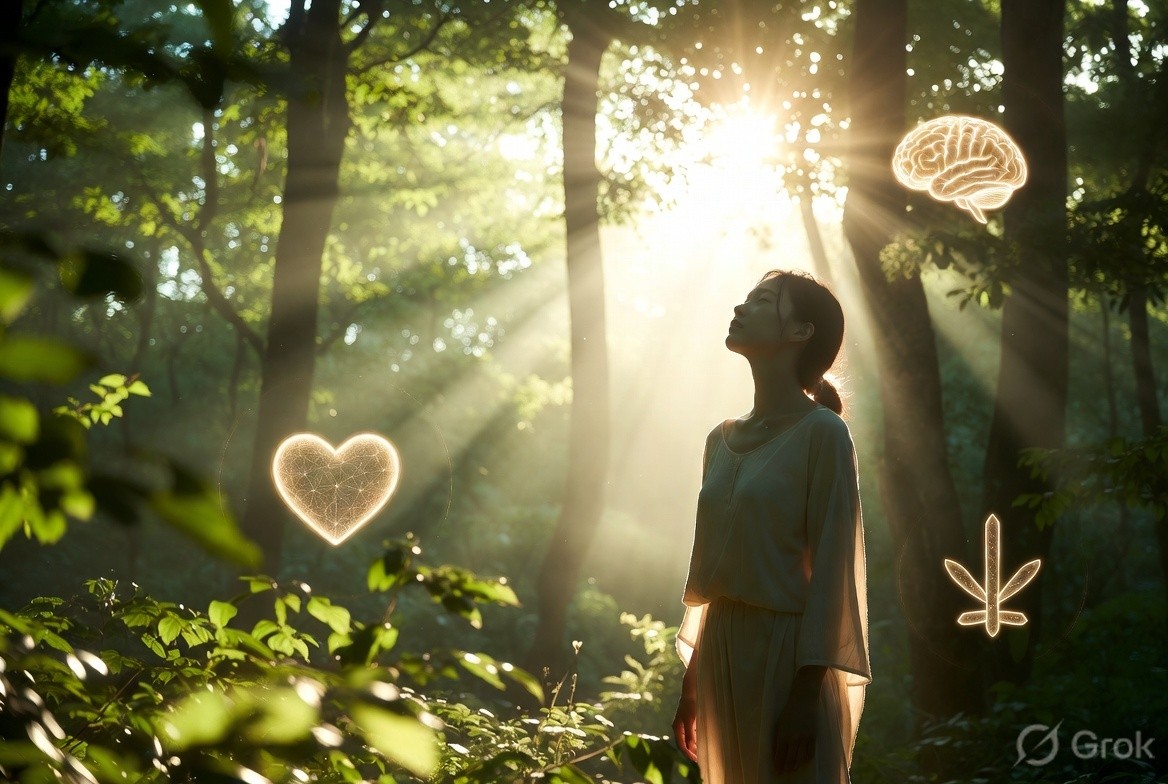
In today’s fast-paced digital world, people are increasingly turning to nature for healing. The idea that nature is the best healer is no longer just philosophical wisdom — it is strongly supported by modern science. Spending intentional time in natural environments delivers powerful benefits for physical health, mental well-being, immune function, and overall quality of life.
This comprehensive guide explores the evidence-based benefits of connecting with nature, the best times to do it, practical ways to get started, and key scientific studies you can trust.

Why Nature Heals Us
Humans evolved in natural environments for thousands of years. Modern indoor lifestyles have disconnected us from this natural state, contributing to rising rates of stress, anxiety, depression, and chronic diseases. Reconnecting with nature helps restore balance in body and mind.
Top Evidence-Based Health Benefits of Nature
1. Dramatic Stress Reduction
Time in nature significantly lowers cortisol (the stress hormone). A 2019 study published in Frontiers in Psychology found that spending at least 120 minutes per week in nature is associated with good health and high well-being. Participants who achieved this threshold reported better physical and mental health outcomes.
Japanese research on Shinrin-yoku (Forest Bathing) shows that 15–20 minutes in a forest can reduce cortisol levels by up to 13–20%, lower blood pressure, and decrease heart rate.
2. Stronger Immune System
Forests enhance immunity through phytoncides — natural airborne chemicals released by trees. A landmark 2010 study in Environmental Health and Preventive Medicine revealed that a 3-day forest trip increased natural killer (NK) cell activity by 50% and boosted anti-cancer proteins. The effects lasted up to 30 days.
3. Improved Mental Health
Nature exposure reduces symptoms of anxiety and depression. A 2015 Stanford University study found that a 90-minute nature walk decreased rumination (repetitive negative thinking) and lowered activity in the brain region linked to depression.
A large 2021 meta-analysis in The Lancet Planetary Health confirmed that access to green spaces is linked to lower risk of depression, anxiety, and other mental health disorders.
4. Better Sleep Quality
Natural light exposure helps regulate circadian rhythms. Research published in Journal of Sleep Research (2022) shows that people who spend more time outdoors fall asleep faster and enjoy deeper, more restorative sleep.
5. Enhanced Brain Function & Focus
According to Attention Restoration Theory, nature restores mental fatigue caused by directed attention (work, screens). A 2018 study in Environmental Research demonstrated improved memory, attention, and cognitive performance after nature walks.
6. Heart Health & Blood Pressure
Regular nature time can lower blood pressure comparably to some medications. Multiple studies report reductions of 4–10 mmHg in systolic blood pressure after forest or park visits.
7. Reduced Inflammation & Faster Healing
Grounding (barefoot contact with earth) and forest environments reduce systemic inflammation. A 2015 review in the Journal of Inflammation Research highlighted potential benefits for chronic pain, autoimmune conditions, and recovery.
8. Emotional Well-being & Life Satisfaction
Nature increases feelings of awe, gratitude, and connection. Studies consistently link green and blue spaces (lakes, oceans) with higher happiness and lower loneliness.
Best Timing for Maximum Healing Benefits
Morning (Sunrise to 10 AM)
- Best for circadian rhythm reset and Vitamin D production.
- Morning nature walks improve alertness, mood, and metabolism for the entire day.
- Ideal for people with sleep issues or low energy.
Midday / Lunch Break (12–2 PM)
- Excellent for stress relief during peak work hours.
- A 20–40 minute nature break can prevent afternoon burnout and improve afternoon productivity.
Evening (Golden Hour: 1 Hour Before Sunset)
- Most calming time due to softer light.
- Helps reduce evening anxiety and prepares the body for quality sleep.
- Great for reflection and emotional processing.
Recommended Weekly Schedule for Best Results
- Minimum effective dose: 120 minutes per week (spread across 3–7 days).
- Optimal: 30–60 minutes daily or 2+ hours, 3–4 times per week.
- For deeper healing: Aim for longer sessions (2–4 hours) on weekends in forests or near water.
Consistency matters more than intensity. Even short daily sessions deliver compounding benefits.
Practical Ways to Connect with Nature
- Start small with local parks or tree-lined streets.
- Practice mindful walking or sitting — engage sight, sound, smell, and touch.
- Try forest bathing: Slow movement with full sensory awareness.
- Combine with light exercise like walking, yoga, or stretching.
- Include “blue spaces” (rivers, lakes, sea) for extra mental health benefits.
- Urban dwellers: Use rooftop gardens, botanical parks, or houseplants as a starting point.
Who Benefits Most?
- Professionals with high-stress jobs
- People struggling with anxiety or burnout
- Those with poor sleep or low immunity
- Creative individuals seeking inspiration
- Anyone recovering from illness or emotional challenges
Children and elderly people also show strong positive responses to regular nature exposure.
How to Make It a Sustainable Habit
- Schedule nature time like any important appointment.
- Prepare weather-appropriate clothing.
- Track benefits in a simple journal (mood, energy, sleep).
- Go with family or friends for social connection.
- Start with 20 minutes daily and gradually increase.
Even in busy cities or bad weather, creative solutions exist — covered walks, indoor plants, or short outdoor breaks.
Final Thoughts: Nature as Preventive Medicine
Science now confirms what our ancestors knew instinctively: Nature is the best healer. It offers a free, accessible, and side-effect-free way to improve almost every aspect of health.
By making time in nature a non-negotiable part of your routine, you can reduce stress, strengthen immunity, improve mood, sleep better, and enhance overall quality of life.
Start today — even 20–30 minutes can begin the healing process. Your body and mind will thank you.
Key Scientific References:
- Frontiers in Psychology (2019) – 120 minutes nature threshold study
- Environmental Health and Preventive Medicine (2010) – Forest bathing immunity research
- Stanford University (2015) – Nature walks and brain function
- The Lancet Planetary Health (2021) – Green spaces meta-analysis
- Journal of Sleep Research (2022) – Sleep and outdoor time
World Health Organization (WHO). Mental health: strengthening our response.
https://www.who.int/news-room/fact-sheets/detail/mental-health-strengthening-our-response