
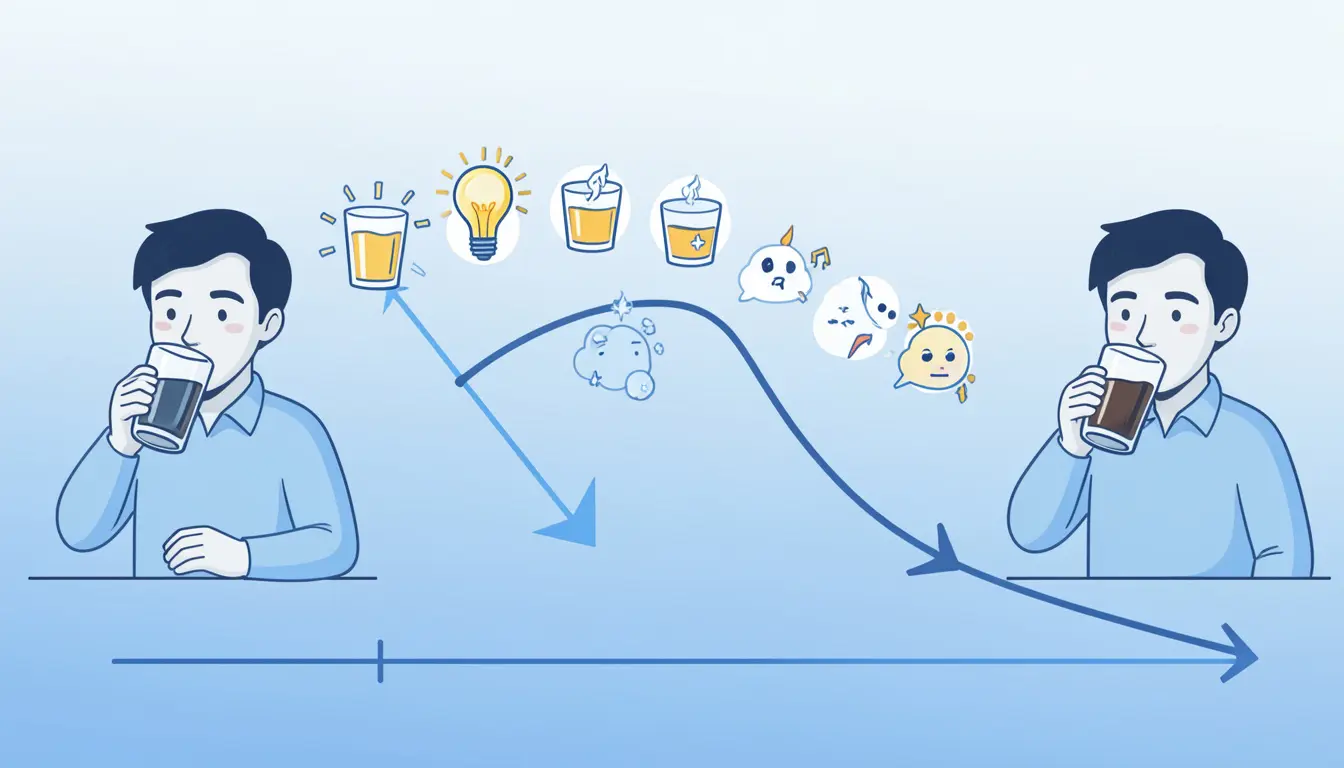
The Law of Diminishing Marginal Utility is one of the fundamental principles of microeconomics. It explains how consumer satisfaction changes as the consumption of a product increases. The law helps economists understand consumer behavior, demand patterns, pricing strategies, and resource allocation.
In simple terms, the law states that the satisfaction gained from consuming each additional unit of a product gradually decreases after a certain point.
Table of Contents
What is Marginal Utility?
Before understanding the law, it is important to know the meaning of utility and marginal utility.
- Utility refers to the satisfaction or benefit a consumer receives from consuming a good or service.
- Marginal Utility (MU) is the additional satisfaction obtained from consuming one more unit of the same product.
For example, if a thirsty person drinks a glass of water, the satisfaction received is very high. When they drink a second or third glass, the additional satisfaction becomes smaller. This declining extra satisfaction is known as diminishing marginal utility.
Definition of the Law of Diminishing Marginal Utility
The Law of Diminishing Marginal Utility states that, other things remaining constant, the marginal utility derived from each successive unit of a commodity decreases as more units are consumed.
Example of Diminishing Marginal Utility
Consider a person eating slices of pizza. The first slice provides maximum satisfaction. As more slices are consumed, the additional satisfaction decreases. After a certain point, consuming another slice may provide no satisfaction or even cause discomfort.
Assumptions of the Law
- The units consumed should be identical in quality and size.
- Consumption should be continuous within a reasonable period.
- Consumer tastes and preferences should remain unchanged.
- Income and purchasing power should remain constant.
- The consumer should behave rationally.
Importance of the Law
1. Explains Consumer Behavior
The law helps explain why consumers do not spend all their income on a single product. As satisfaction decreases, they seek variety in consumption.
2. Foundation of the Law of Demand
Consumers are willing to buy additional units of a product only at lower prices because the extra satisfaction from each unit decreases.
3. Helps in Pricing Decisions
Businesses use this principle to design pricing strategies, discounts, and promotional offers to encourage greater consumption.
Real-Life Examples
Water Consumption
The first glass of water after exercise provides immense satisfaction. The second and third glasses still satisfy, but the extra benefit decreases with each glass.
Mobile Data Plans
A consumer values the first few gigabytes of internet data highly. Additional data beyond normal usage offers less satisfaction.
Limitations of the Law
- It may not apply to collectibles, rare items, or hobbies where interest can increase over time.
- Consumer preferences can change unexpectedly.
- Utility cannot be measured precisely in numerical terms.
The Law of Diminishing Marginal Utility is a cornerstone of economic theory that explains how satisfaction from consumption changes as quantity increases. It highlights that while total satisfaction may rise, the additional satisfaction from each extra unit eventually declines.
