
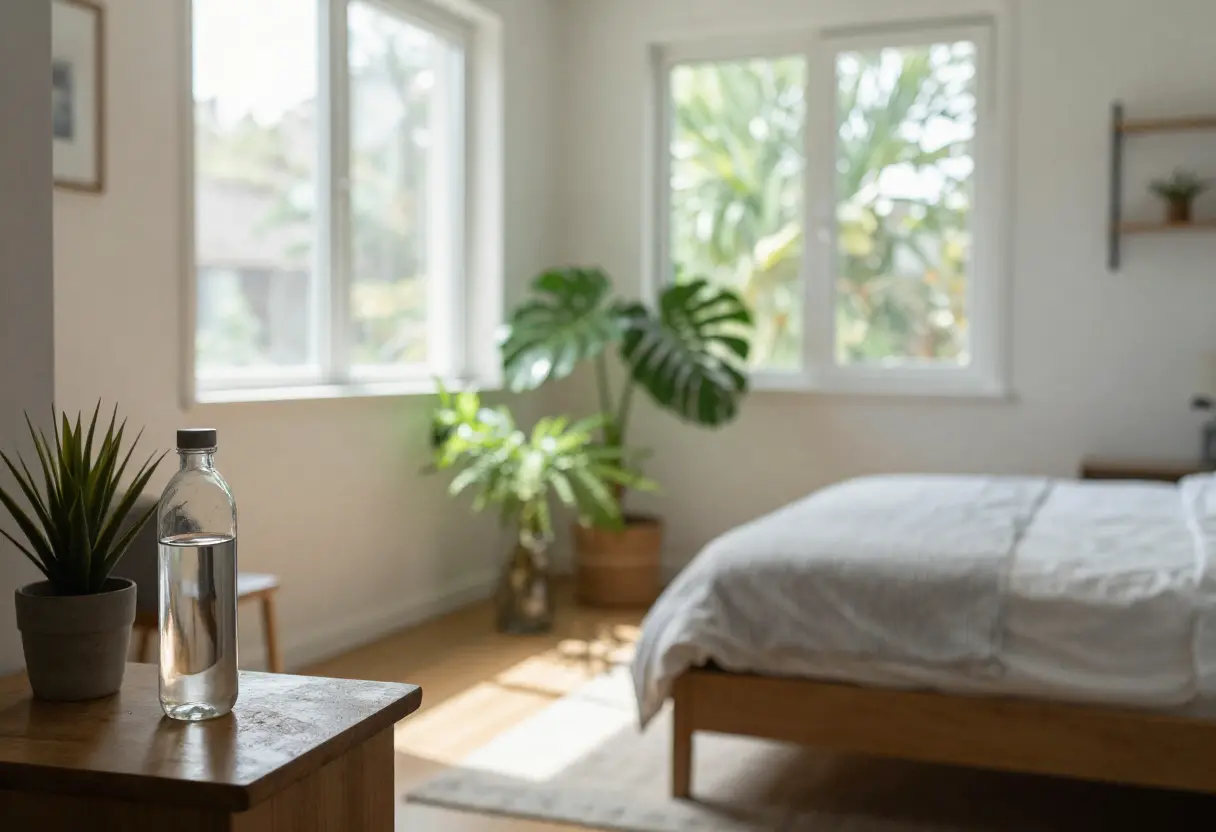
Your home is more than just a place where you sleep and store your belongings. It directly influences your physical health, emotional balance, mental clarity, and daily productivity. A clean, peaceful, and organized home can reduce stress, improve focus, and create an environment where healthy habits naturally thrive. On the other hand, clutter, poor organization, and unhealthy routines can leave you feeling overwhelmed, distracted, and exhausted.
The good news is that creating a healthier home does not require expensive renovations or dramatic lifestyle changes. Small, intentional habits practiced consistently can completely transform your living space and your overall well-being. Whether you live alone, with family, or with roommates, your environment should support rest, nourishment, productivity, and happiness.
This guide will walk you through practical and sustainable healthy home habits that can help you create a space that energizes, comforts, and restores you every single day.
Step 1: Keep a Consistent Cleaning Schedule
One of the most important foundations of a healthy home is cleanliness. A clean environment helps reduce stress, prevents the buildup of allergens and bacteria, and creates a more peaceful atmosphere. However, many people feel overwhelmed by cleaning because they wait until the mess becomes too large to manage.
The best approach is to create a consistent cleaning routine that spreads tasks throughout the week. Instead of trying to clean the entire house in one day, focus on smaller tasks daily.
For example:
- Monday: Vacuum and mop floors
- Tuesday: Laundry and bedding
- IN
- Thursday: Organize kitchen surfaces
- Friday: Dust furniture and wipe mirrors
Breaking tasks into smaller sections makes cleaning more manageable and less stressful. You can also use a checklist or planner to track your progress and stay motivated.
Another great strategy is pairing cleaning with something enjoyable, such as listening to music, podcasts, or audiobooks. This simple habit can make chores feel less tiring and more relaxing.
Keeping your home clean consistently creates a calmer environment and allows you to feel more focused and productive throughout the day.
Step 2: Improve Indoor Air Quality
The quality of the air inside your home has a direct impact on your health and energy levels. Poor indoor air quality can contribute to allergies, headaches, fatigue, and breathing issues. Since most people spend a large portion of their day indoors, improving airflow and reducing pollutants is extremely important.
One of the easiest ways to improve indoor air quality is to open windows daily for at least 10 to 15 minutes. Fresh air circulation helps remove stale air and allows oxygen to flow throughout the home.
Adding indoor plants is another excellent way to support cleaner air and create a calming atmosphere. Plants such as snake plants, peace lilies, spider plants, and aloe vera are known for their air-purifying qualities.
It is also important to regularly replace air conditioning or HVAC filters to prevent dust buildup. Vacuuming carpets and cleaning curtains can further reduce allergens in the home.
Another helpful habit is avoiding harsh chemical cleaners whenever possible. Natural cleaning alternatives such as vinegar, baking soda, and lemon can clean effectively without introducing strong chemical odors into your environment.
Fresh air and a naturally clean environment can improve concentration, support better sleep, and create a healthier living space overall.
Step 3: Create a Hydration Station
Staying hydrated is essential for maintaining energy, focus, digestion, and overall health. Yet many people forget to drink enough water during busy days. Creating a hydration-friendly home environment can help make water intake a natural habit.
One simple strategy is to keep water bottles in areas where you spend the most time. Place one at your desk, in the kitchen, beside your bed, or in your living room. Seeing water regularly serves as a reminder to drink more throughout the day.
If plain water feels boring, you can naturally flavor it by adding ingredients such as:
- Lemon slices
- Mint leaves
- Cucumber
- Orange slices
- Strawberries
These additions make hydration more enjoyable while encouraging consistency.
You can also track your water intake using a reusable bottle. For example, drinking and refilling a 1-liter bottle three times daily helps you reach approximately 3 liters of water intake.
Proper hydration improves mood, concentration, skin health, and energy levels, making it one of the easiest and most powerful healthy home habits.
Step 4: Create Tech-Free Zones
Technology has become a major part of everyday life, but constant screen exposure can increase stress, reduce focus, and negatively impact sleep quality. Establishing tech-free areas in your home encourages relaxation, mindfulness, and stronger personal connections.
The bedroom is one of the best places to create a technology-free zone. Avoiding screens before bedtime can improve sleep quality and help your mind relax naturally.
You can also make dining tables screen-free areas to encourage mindful eating and better conversations with family members or housemates.
Healthy technology boundaries may include:
- Turning off notifications during meals
- Avoiding screens one hour before bed
- Limiting social media use during relaxation time
- Keeping phones away during conversations
Reducing screen exposure allows your brain to rest and supports greater emotional balance and mental clarity.
Create
Step 5: Organize Your Space Intentionally
Organization plays a huge role in creating a healthy home. A cluttered environment can increase stress and make everyday tasks more difficult, while an organized home promotes calmness and efficiency.
Intentional organization does not mean achieving perfection. Instead, it means arranging your home in ways that make daily life easier.
Start by regularly decluttering areas that collect unnecessary items. Donate or remove things you no longer use or need. Keeping surfaces clear can instantly make your home feel cleaner and more spacious.
Store frequently used items in easily accessible locations. For example, in the kitchen, keep daily utensils and cookware within reach while storing less-used appliances in cabinets.
Using baskets, containers, shelves, and drawer organizers can also help maintain order and reduce visual clutter.
One helpful habit is following the “one-minute rule.” If a task takes less than one minute—such as hanging a jacket or washing a dish—do it immediately rather than postponing it.
Intentional organization creates a more functional environment that supports productivity and reduces unnecessary stress.
Step 6: Personalize Your Environment
A healthy home should feel comforting, inspiring, and emotionally supportive. Personalizing your environment helps create a deeper sense of connection and happiness within your space.
Adding personal touches such as family photos, artwork, books, or meaningful objects can make your home feel more welcoming and authentic.
Color also plays an important role in mood. Soft and calming colors like beige, light blue, sage green, or warm neutrals can create a peaceful atmosphere.
You can further improve comfort by adding:
- Soft lighting
- Cozy blankets
- Candles or essential oils
- Indoor plants
- Comfortable seating areas
Creating designated spaces for hobbies or relaxation is another great habit. Whether it is a reading corner, yoga space, journaling desk, or meditation area, these intentional zones encourage self-care and emotional well-being.
Your home should support not only your physical needs but also your creativity, relaxation, and personal growth.
Step 7: Build Healthy Meal and Snack Habits
Your home environment strongly influences your eating habits. Keeping healthy foods accessible and visible can make nutritious choices easier throughout the day.
One effective strategy is placing fruits, nuts, yogurt, or healthy snacks in visible areas where they are easy to grab. At the same time, storing less healthy snacks out of immediate sight can help reduce unnecessary cravings.
Meal preparation is another powerful healthy habit. Preparing meals or ingredients ahead of time can save time, reduce stress, and support healthier eating during busy schedules.
Simple meal prep ideas include:
- Washing and cutting vegetables in advance
- Cooking grains or proteins for multiple meals
- Preparing overnight oats or smoothies
- Portioning healthy snacks into containers
A well-organized kitchen encourages healthier eating habits and helps reduce reliance on processed or fast foods.
Healthy nutrition starts with creating a home environment that supports smart food choices.
Step 8: Practice Mindfulness at Home
Mindfulness is the practice of being fully present and aware in the current moment. Bringing mindfulness into your home life can reduce stress, improve emotional balance, and create a greater sense of peace.
Mindfulness does not require long meditation sessions. Small mindful moments throughout the day can make a significant difference.
For example, you can practice mindfulness by:
- Taking deep breaths during stressful moments
- Paying attention while washing dishes
- Enjoying the smell of coffee or tea
- Appreciating sunlight through the windows
- Eating meals slowly without distractions
This
Mindfulness also works beautifully alongside decluttering and organization. A cleaner, calmer space naturally encourages mental clarity and emotional relaxation.
The more present and intentional you become in your home environment, the more peaceful your daily life can feel.
Step 9: Create a Sleep-Friendly Bedroom
Quality sleep is one of the most important aspects of overall health, and your bedroom environment plays a major role in sleep quality.
A sleep-friendly bedroom should feel calm, cool, dark, and relaxing. Start by reducing clutter and removing distractions from the space.
Keep electronics out of the bedroom whenever possible. Charging phones and devices in another room can reduce screen exposure and improve bedtime routines.
Additional ways to improve your sleep environment include:
- Using blackout curtains
- Keeping the room slightly cool
- Using comfortable bedding
- R
- Maintaining a consistent bedtime
Creating a relaxing nighttime routine can also improve sleep quality. Reading, stretching, journaling, or meditating before bed can help your mind and body unwind naturally.
But
Step 10: Review and Adjust Weekly
Healthy home habits become sustainable when they are flexible and realistic. Instead of expecting perfection, focus on consistency and gradual improvement.
Take 10 to 15 minutes each week to review your routines and identify what worked well and what needs adjustment.
Ask yourself questions like:
- Which habits helped reduce stress?
- Which areas became cluttered again?
- What routines felt difficult to maintain?
- What improvements can I make next week?
Celebrating small wins is equally important. Acknowledge progress such as maintaining a cleaning routine, drinking more water, or preparing healthy meals consistently.
Using a journal, calendar, or habit tracker can help you stay motivated and organized over time.
Remember that small habits practiced consistently create long-term transformation.
Sample Daily Healthy Home Routine
A simple daily routine can help create structure and support healthy living habits.
Morning:
- Wake up and hydrate
- Open windows for fresh air
- Make the bed
- Eat a healthy breakfast
Afternoon:
- Tidy workspaces
- Prepare nutritious meals
- Take short mindfulness breaks
Evening:
- Clean kitchen surfaces
- Reduce screen exposure
- Relax with reading or journaling
- Follow a calming bedtime routine
Adjust your routine based on your personal schedule and lifestyle needs.
A healthy home is not about perfection or expensive upgrades. It is built through small, intentional habits that support your mental, emotional, and physical well-being. By maintaining cleanliness, organizing thoughtfully, improving air quality, supporting healthy eating, practicing mindfulness, and creating restful spaces, your home can become a place that truly supports your best life.
The key is consistency. Small daily actions may seem simple, but over time they create a powerful impact on your overall happiness and health.
Start with one or two habits and build gradually. As your routines become more natural, your home will begin to feel calmer, healthier, more organized, and more supportive of the life you want to live.
External Study References:
- PubMed Study on Housing Conditions and Mental Health
- Journal of Urban Health Research on Residential Environment and Mental Health
- BMC Public Health Study on Housing and Mental Wellbeing
Further Reading
Optimize Productivity:
Declutter Your Space for a Clearer Mind
Support Nutrition and Meal Planning:
Meal Planning for Busy People
