
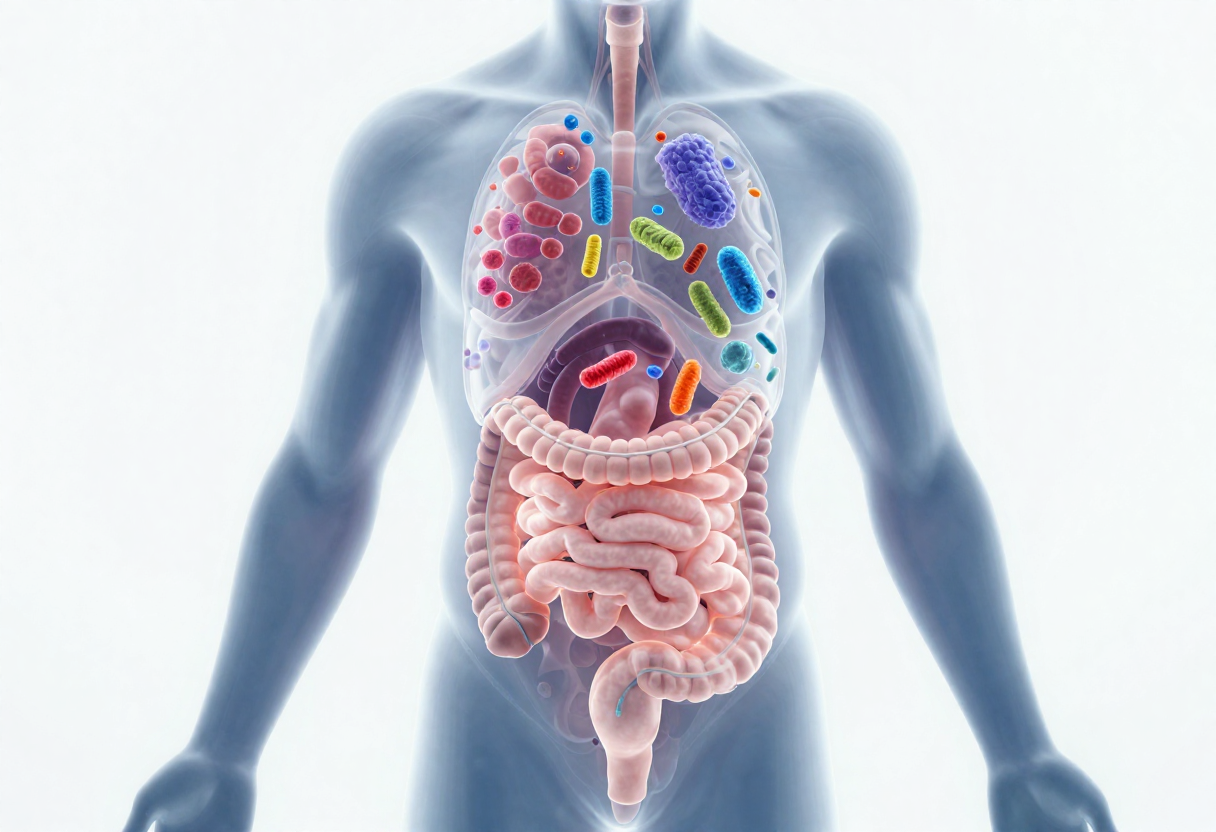
The gut microbiome is one of the most consequential discoveries in modern medicine. Over the past two decades, research has established that the 100 trillion microorganisms living in the human digestive tract influence not just digestion but immune function, inflammation, mood, cognitive performance, weight regulation, and the risk of dozens of chronic diseases. The gut is no longer understood as a simple food-processing tube but as a complex ecosystem that mediates the relationship between what we eat and how we function. This guide covers what gut health actually means, what disrupts it, and what the evidence supports for restoring and maintaining it.
Table of Contents
- What Is Gut Health
- The Gut Microbiome
- Signs of Poor Gut Health
- What Disrupts Gut Health
- Diet for Gut Health
- Probiotics and Fermented Foods
- Lifestyle Factors
- The Gut-Healing Protocol
- Frequently Asked Questions
- Related Posts
What Is Gut Health
Gut health refers to the functional integrity of the entire gastrointestinal tract: the balance of microorganisms in the microbiome, the integrity of the intestinal lining that prevents inappropriate passage of bacteria and their products into the bloodstream, the efficiency of digestion and nutrient absorption, and the regulation of the gut’s nervous system. A healthy gut digests food efficiently, maintains a diverse and stable microbial community, protects against pathogens, and communicates effectively with the immune system and brain.
The Gut Microbiome
The human gut microbiome contains approximately 500 to 1,000 bacterial species along with fungi, viruses, and other microorganisms. The composition is unique to each individual and influenced by genetics, birth method, early-life feeding, antibiotic exposure, diet, and environment. A diverse microbiome is generally associated with better health outcomes than a low-diversity one. Keystone species including Akkermansia muciniphila, Bifidobacterium, and Lactobacillus strains support intestinal barrier integrity, produce short-chain fatty acids that nourish colon cells, and modulate immune responses. Dysbiosis — an imbalance toward harmful species or reduction in diversity — is associated with inflammatory bowel disease, obesity, type 2 diabetes, depression, and other conditions.
Signs of Poor Gut Health
Digestive symptoms including bloating, gas, constipation, diarrhoea, and abdominal discomfort are the most obvious signs. But gut dysfunction also manifests beyond the digestive system: persistent fatigue, skin conditions including eczema and acne, frequent infections, food intolerances that weren’t present earlier, poor mood and anxiety, and brain fog.
What Disrupts Gut Health
Antibiotic use is the most acute disruptor. Ultra-processed foods deplete beneficial bacteria. Chronic stress alters gut motility and shifts microbial composition. Insufficient sleep disrupts circadian rhythms that regulate gut function. Excessive alcohol damages the intestinal lining. Low dietary fibre starves the microbiome.
Diet for Gut Health
Dietary fibre from diverse plant sources is the single most evidence-supported dietary intervention for gut health. Research suggests eating at least 30 different plant foods per week is associated with significantly higher microbiome diversity. Traditional Indian diets rich in dals, sabzis, whole grains, and fermented foods naturally support gut diversity when not displaced by ultra-processed alternatives.
Probiotics and Fermented Foods
Fermented foods introduce beneficial live microorganisms directly into the gut. Indian fermented foods are among the most gut-beneficial in any cuisine: curd (dahi), chaas (buttermilk), idli and dosa batter, kanji, fermented pickle preparations, and kombucha. A 2021 Stanford study found that a high-fermented-food diet increased microbiome diversity and reduced inflammatory markers more effectively than a high-fibre diet alone.
Lifestyle Factors
Exercise independently improves gut microbiome diversity. Sleep quality significantly affects gut function. Stress management reduces cortisol-mediated disruption of gut function. Spending time in natural environments exposes the gut to diverse environmental microorganisms, supporting microbiome diversity over time.
The Gut-Healing Protocol
The 4R framework (Remove, Replace, Reinoculate, Repair) is widely used by functional medicine practitioners: Remove triggers including ultra-processed foods and excess alcohol. Replace digestive support. Reinoculate with fermented foods and targeted probiotics. Repair the intestinal lining with zinc, glutamine, omega-3s, and vitamins A and D.
Frequently Asked Questions About Gut Health
How do I know if my gut health is poor?
Persistent digestive symptoms, frequent infections, unexplained fatigue, skin problems, food intolerances, and mood disturbances can all indicate gut dysfunction. Evaluation by a gastroenterologist is appropriate if symptoms persist.
What is the fastest way to improve gut health?
The fastest measurable improvements come from increasing dietary fibre from diverse plant sources and adding fermented foods daily. Reducing ultra-processed food, stress, and sleep deprivation simultaneously compounds the improvement.
