
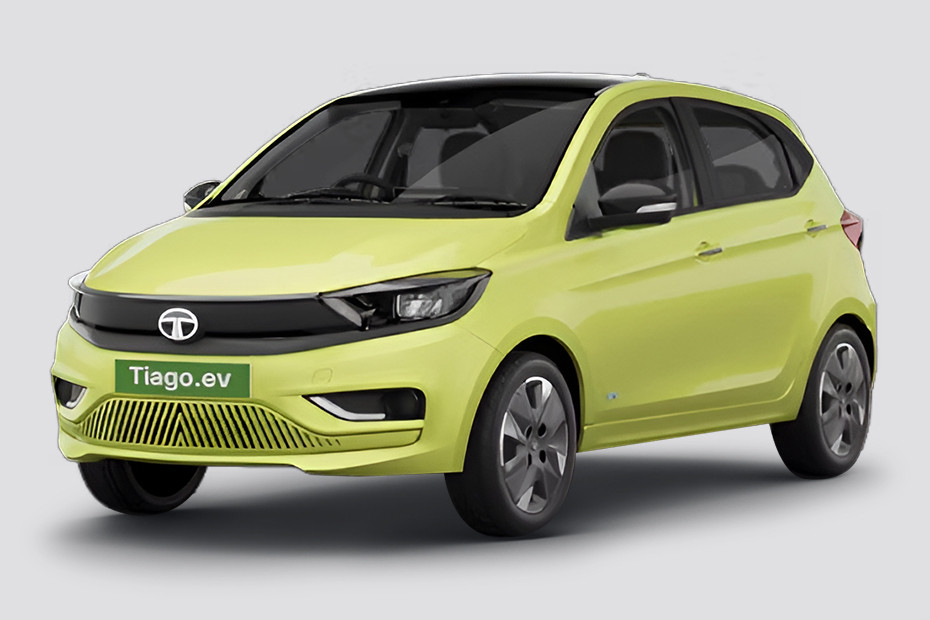
Not every electric vehicle needs to be a statement. Sometimes, the most important thing a car can do is make the switch to electric feel easy, affordable, and completely sensible. That’s exactly what the Tata Tiago EV has been doing since it launched in 2022 — quietly converting first-time EV buyers, urban commuters, and budget-conscious families who would have otherwise kept waiting on the sidelines.
In 2026, with prices starting at ₹7.99 lakh ex-showroom, the Tiago EV remains India’s most accessible mainstream electric car. This guide covers everything: battery options, real-world range, performance, features, safety, pricing, and an honest take on who should buy it and who should look elsewhere.
Table of Contents
- Why the Tiago EV Still Makes Sense in 2026
- Design and Dimensions
- Battery Options and Real-World Range
- Performance and Driving Experience
- Charging Speed and Daily Practicality
- Interior, Comfort, and Features
- Safety Ratings and Technology
- Pricing and Variants in 2026
- Ownership Economics
- Honest Pros and Cons
- How It Compares to Rivals
- Who Should Buy the Tiago EV
- Frequently Asked Questions
- Related Posts
Why the Tiago EV Still Makes Sense in 2026
When the Tiago EV launched, it did something no other manufacturer had managed at that price point — it put a genuinely usable electric powertrain inside a practical five-door hatchback that Indian buyers already trusted. The ICE Tiago had spent years proving its reliability, safety credentials, and value. The EV version inherited all of that and added dramatically lower running costs.
In a market where many affordable EVs compromise on range, features, or practicality, the Tiago EV has consistently threaded the needle. It’s not trying to be a Tesla. It’s trying to be the most sensible daily driver for an urban Indian household with a monthly fuel bill it would rather not think about. On those terms, it succeeds convincingly.
By 2026, it remains the entry point into Tata’s electric ecosystem — sitting below the Tata Nexon EV and Tata Curvv EV in both size and price, but sharing the same core values of safety, reliability, and low ownership costs that have made Tata the dominant player in India’s EV market.
Design and Dimensions: Compact, Cheerful, and Practical
The Tiago EV measures 3,769 mm in length, 1,677 mm wide, and 1,535 mm tall, with a 2,400 mm wheelbase. These are genuinely compact dimensions — the kind that make parallel parking a non-event and navigating narrow urban lanes something you don’t dread. Ground clearance of around 165 to 170 mm is adequate for typical Indian city roads, though it won’t win any off-road awards.
EV-specific design touches include a closed aerodynamic front grille, blue accent detailing, unique alloy wheel designs, and subtle badging that signals its electric identity without announcing it loudly. The overall silhouette stays true to the Tiago’s cheerful, rounded character — approachable rather than aggressive, which suits the car’s personality perfectly.
Boot space of approximately 240 litres is sufficient for daily use — grocery runs, a weekend bag, airport pickups. It’s not a load-lugging vehicle, but for a compact urban hatchback it covers the practical bases comfortably. Available in vibrant colour options, the Tiago EV appeals particularly to younger urban buyers who want something that looks lively without costing a fortune.
Battery Options and Real-World Range
The Tiago EV is available in two battery configurations, each suited to different usage patterns.
Medium Range — 19.2 kWh Battery
The smaller pack delivers a claimed ARAI range of 223 to 250 km. In real-world urban conditions with moderate air conditioning use, most owners report 180 to 210 km per charge. For buyers whose daily commute stays under 60 km and who have reliable overnight home charging, this variant covers all practical needs with comfortable headroom. The lower price makes it the most accessible EV in Tata’s lineup.
Long Range — 24 kWh Battery
The larger pack raises the claimed ARAI range to 293 to 315 km. Real-world returns in mixed use typically land between 230 and 270 km. This is the variant to choose if your daily drive is between 60 and 120 km, or if you want a larger buffer between charges for peace of mind. The additional range also makes the occasional intercity drive or extended day out significantly less stressful to plan around charging stops.
Performance and Driving Experience: Surprisingly Fun
The Tiago EV’s performance figures are modest on paper — 61 PS and 110 Nm for the MR variant, 74 to 75 PS and 114 Nm for the LR. But electric torque delivery has a way of making modest numbers feel more engaging than equivalent ICE figures, and the Tiago EV is no exception. From a standstill, it pulls away with a briskness that catches first-time drivers off guard in the best way.
The 0 to 60 km/h sprint happens in approximately 5.7 to 6.2 seconds — quick enough to make city driving genuinely enjoyable rather than merely adequate. Overtaking in urban traffic, merging at junctions, and pulling away from speed breakers all happen with an effortless smoothness that takes adjustment if you’re coming from a petrol hatchback. Top speed is electronically limited to around 120 km/h, which is appropriate for the car’s size and character.
Multiple drive modes including Sport allow drivers to trade efficiency for performance when the mood calls for it. The low centre of gravity from the floor-mounted battery pack improves handling stability noticeably compared to the ICE Tiago. The overall driving experience is light, responsive, and genuinely fun for urban use.
Charging Speed and Daily Practicality
Standard charging via a 3.3 kW AC home charger delivers a full charge in 6 to 8 hours overnight — the routine most Tiago EV owners settle into within the first week of ownership. Higher variants support a 7.2 kW AC fast charger, which reduces the overnight charge time to around 3.5 to 4 hours.
DC fast charging support means the Tiago EV can go from 10% to 80% in approximately 58 minutes at a 25 to 50 kW public charger. While this is slower than newer rivals with higher-power charging, it’s sufficient for the occasional top-up during a shopping visit or lunch break. The Tiago EV is fundamentally designed around home charging — for buyers who can charge overnight, the public charging network is a backup rather than a necessity.
According to India’s Bureau of Energy Efficiency, the country’s public EV charging network expanded to over 25,000 stations by 2025, with significant growth in urban areas — making city-based EV ownership progressively easier even without dedicated home charging infrastructure.
Interior, Comfort, and Features
The Tiago EV’s cabin feels familiar and well-considered without trying to impress with unnecessarily premium materials. The quality is appropriate for the price — solid plastics, well-stitched seats, and a layout that prioritises usability over visual drama. Higher variants feature a 10.25-inch touchscreen infotainment system with wireless Android Auto and Apple CarPlay, Tata’s iRA connected car technology, a Harman audio system, automatic climate control, cruise control, keyless entry, and steering-mounted controls.
Other useful features on upper trims include auto headlamps, rain-sensing wipers, a rear parking camera, and tyre pressure monitoring. The infotainment system is responsive and the iRA connectivity platform allows remote monitoring of battery status, charge scheduling, and climate pre-conditioning — genuinely useful daily features rather than novelty additions.
Passenger Space and Comfort
Front seat comfort is good for daily commuting with adequate bolstering and support. Rear seat space is sufficient for two adults of average height on shorter journeys, but taller passengers on long trips will notice the limited legroom and headroom. For a compact hatchback this is expected and accepted — the Tiago EV isn’t competing with mid-size SUVs on passenger space. For urban families of three to four people covering typical city distances, it’s entirely workable.
Ride Quality
The suspension is tuned for urban Indian roads and does a commendable job absorbing the broken tarmac, speed breakers, and potholes that define daily city driving. The low centre of gravity from the battery placement keeps the car feeling planted and composed. On highways the ride is stable and settled, though the car’s character is clearly optimised for city use rather than long-distance cruising.
Safety Ratings and Technology
The Tiago EV comes equipped with dual front airbags, ABS with EBD, electronic stability control, hill-hold assist, rear parking sensors and camera, and a robust body structure inherited from the ICE Tiago platform. The ICE Tiago earned a 4-star Global NCAP safety rating — strong evidence of the structural integrity that underpins the EV version.
Battery safety is managed through multiple protection layers including thermal management, impact protection, and automatic cut-off systems that activate in crash or overcharge scenarios. Tata provides a comprehensive 8-year or 1.6 lakh km battery warranty, offering long-term ownership assurance that reduces the risk of unexpected battery replacement costs significantly.
A study published in the journal Energy Research and Social Science found that EV adoption among urban Indian households accelerates significantly when buyers have confidence in battery longevity and manufacturer after-sales support — areas where Tata’s warranty and service network provide a genuine competitive advantage for the Tiago EV.
Pricing and Variants in 2026
The Tata Tiago EV range starts at approximately ₹7.99 lakh (ex-showroom) for the XE MR variant and extends to around ₹11.14 lakh for the top XZ+ Tech Lux LR. Key variants in the lineup include XE MR, XT MR, XT LR, XZ+ LR, and XZ+ Tech Lux LR. On-road pricing in major cities typically adds ₹1 to ₹1.5 lakh depending on state registration charges, insurance, and accessories.
State EV subsidies where applicable can reduce the effective purchase price further. Battery-as-a-Service (BaaS) options in select markets lower the upfront cost by separating battery ownership from vehicle ownership, which can make the entry-level MR variant even more financially accessible for first-time buyers.
Ownership Economics: The Numbers That Win People Over
Running costs with home charging work out to under ₹1 per kilometre — often as low as ₹0.70 to ₹0.90 per km depending on local electricity tariffs. Compare that to ₹5 to ₹7 per kilometre for a comparable petrol hatchback, and for a buyer covering 1,000 km monthly the saving is ₹4,000 to ₹6,000 every single month. That’s the number that converts sceptics into owners.
Scheduled maintenance is significantly simpler than petrol equivalent — no oil changes, no timing belt, no air filter replacements. Brake wear is reduced by regenerative braking. Tata’s 8-year battery warranty and service network of over 1,400 authorised outlets ensure that long-term support is readily accessible. Over-the-air software updates keep the vehicle current without requiring a service visit.
Honest Pros and Cons
What the Tiago EV Does Best
- India’s most affordable mainstream electric car at ₹7.99 lakh
- Running costs under ₹1 per km with home charging
- Zippy, enjoyable city driving with instant torque delivery
- iRA connected car tech with remote battery and climate monitoring
- 8-year battery warranty and Tata’s extensive service network
- Practical five-door layout with 240-litre boot
- Low centre of gravity for improved urban handling stability
Where It Could Be Better
- Real-world range drops noticeably with heavy AC use and highway speeds
- Rear seat space is limited for taller adults on longer journeys
- DC fast charging limited to 50 kW — slower than newer rivals
- Ground clearance of 165–170 mm is lower than comparable SUV-bodied EVs
- Not well-suited to regular long-distance highway driving
- Design is based on a 2016 platform and feels mature rather than fresh
How the Tiago EV Compares to Rivals
The Tiago EV’s primary competitors are the Citroën eC3, MG Comet EV, and the entry-level Tata Punch EV. Against the MG Comet, the Tiago EV wins on practicality — the Comet’s two-door layout and smaller size limit its real-world usability for a family. The Citroën eC3 offers similar space at a higher price. The Tata Punch EV provides SUV stance and higher ground clearance but costs meaningfully more — making the Tiago EV the right choice for buyers who prioritise price and don’t need the extra height.
For buyers considering stepping up, the Tata Nexon EV offers significantly more range, faster charging, and a more premium cabin at a higher price point. The Tiago EV is the right starting point for buyers entering the EV ecosystem; the Nexon EV is the natural upgrade for those who’ve already lived with an EV and want more.
Who Should Buy the Tata Tiago EV in 2026
The Tiago EV is the right choice for urban professionals, small families, and daily commuters covering 50 to 120 km per day with reliable home or workplace charging access. It suits first-time EV buyers who want to experience electric ownership without committing to a higher price point, and buyers upgrading from a petrol hatchback who want to dramatically cut their monthly fuel and maintenance costs.
Choose the Medium Range variant if your daily drive is consistently under 60 km and you want the most affordable entry point. Choose the Long Range for more comfortable range headroom, longer daily distances, or if occasional intercity drives are part of your routine.
The Tiago EV is not the right choice for buyers who regularly drive 300 km or more in a single day, those who need more rear passenger space, or anyone whose primary use involves sustained highway driving at speeds above 100 km/h where real-world range will drop more sharply than urban figures suggest. For everything else — city commuting, school runs, weekend errands, and the occasional day trip — it delivers exactly what it promises.
Frequently Asked Questions About the Tata Tiago EV
What is the starting price of the Tata Tiago EV in 2026?
The Tata Tiago EV starts at approximately ₹7.99 lakh (ex-showroom) for the XE Medium Range variant. The top XZ+ Tech Lux Long Range is priced at around ₹11.14 lakh ex-showroom. On-road prices vary by state and city.
What is the real-world range of the Tata Tiago EV Long Range?
The Long Range (24 kWh) variant delivers approximately 230 to 270 km in real-world mixed urban conditions. The ARAI claimed range is 293 to 315 km. The Medium Range (19.2 kWh) achieves 180 to 210 km in real-world use.
How long does the Tata Tiago EV take to charge?
With a standard 3.3 kW AC home charger, a full charge takes 6 to 8 hours overnight. A 7.2 kW AC fast charger reduces this to around 3.5 to 4 hours. DC fast charging from 10% to 80% takes approximately 58 minutes at a 25 to 50 kW charger.
Is the Tata Tiago EV good for highway driving?
The Tiago EV is primarily optimised for urban use. It can handle highway driving, but real-world range drops more noticeably at sustained speeds above 100 km/h. For regular highway journeys, the Long Range variant is recommended, and buyers doing frequent intercity drives should consider the larger-battery Tata Nexon EV instead.
What is the battery warranty on the Tata Tiago EV?
The Tata Tiago EV comes with an 8-year or 1,60,000 km battery warranty, whichever comes first. Tata also provides over-the-air software updates to maintain system performance throughout the ownership period.
How does the Tiago EV compare to the Tata Punch EV?
The Tiago EV is more affordable, more compact, and better suited to tight urban environments. The Punch EV offers higher ground clearance, an SUV-like stance, more interior space, and longer range — at a higher price. The Tiago EV is the right choice if price and city practicality are the priority; the Punch EV suits buyers who want more space and versatility.
Related Posts
- Tata Nexon EV 2026: India’s Most Trusted Electric SUV Reviewed
- Tata Punch EV 2026: The Compact Electric SUV India Needed
- Tata Curvv 2026: The SUV-Coupe That’s Rewriting India’s Car Market
- Mahindra XUV400 EV 2026: The Electric SUV That Punches Above Its Price
- Tata Harrier EV 2026: India’s Most Powerful Electric SUV Reviewed
