
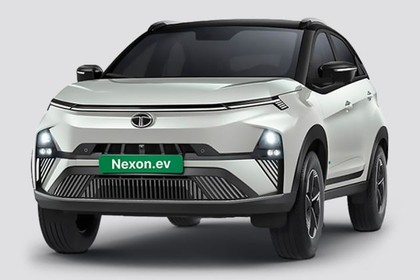
Some cars earn their reputation through marketing. Others earn it through millions of owners who chose them, drove them daily, and came back for more. The Tata Nexon EV belongs firmly in the second category. Since its launch in 2020, it has been India’s best-selling electric SUV for most of its existence — not because of luck, but because it consistently delivers on the promises that matter most: real-world range, safety, reliability, and value.
In 2026, the Nexon EV has evolved into a significantly more capable vehicle than its original form. Larger batteries, faster charging, premium features, and continuous software refinement have kept it competitive in a segment that has become much more crowded. This guide covers everything you need to make an informed decision — battery options, real-world range, performance, interior, safety, pricing, and an honest take on who should buy it.
Table of Contents
- Why the Nexon EV Changed India’s EV Story
- Design and Road Presence
- Battery Options and Real-World Range
- Performance and Driving Experience
- Charging Speed and V2L Features
- Interior, Comfort, and Features
- Safety Ratings and Technology
- Pricing and Variants in 2026
- Ownership Economics
- Honest Pros and Cons
- How It Compares to Rivals
- Who Should Buy the Nexon EV
- Frequently Asked Questions
- Related Posts
Why the Nexon EV Changed India’s Electric Vehicle Story
Before the Nexon EV arrived, electric vehicles in India were either expensive imports or underpowered city runabouts that couldn’t survive a highway drive. Tata Motors changed that conversation in early 2020 by putting a real battery pack in a real SUV, pricing it within reach of the aspirational middle class, and backing it with a service network that already spanned every major city.
The gamble paid off. The Nexon EV became the catalyst that normalised EV ownership in India — it was the car that made neighbours, colleagues, and relatives start asking serious questions about switching. By 2026, with two battery options, significantly improved range, faster charging, and a feature list that rivals premium petrol SUVs, it remains the benchmark against which every new electric compact SUV in India is measured.
What keeps it at the top isn’t nostalgia — it’s the combination of a trusted safety record, the widest service network in the EV segment, and continuous improvements that have kept the platform relevant long after launch.
Design and Road Presence: Bold Stays Relevant
The Nexon EV measures approximately 3,995 mm in length with a 2,499 mm wheelbase — compact enough for urban parking, substantial enough to feel like a proper SUV. EV-specific design elements include a closed aerodynamic front grille, blue accent detailing, aerodynamically optimised alloy wheels, and illuminated logos on higher variants that give it a distinctly forward-looking identity without abandoning the muscular Nexon character.
Ground clearance of 190 to 205 mm handles Indian urban roads competently — broken tarmac, unmarked speed breakers, and flooded patches are well within its tolerance. Sleek LED headlights, connected LED taillights, and the overall stance give it a confident presence that doesn’t look out of place next to significantly more expensive vehicles.
Boot capacity of around 350 litres is adequate for most daily needs, though it trails some rivals. For weekly grocery runs, weekend bags for two, and airport trips, it’s more than sufficient. The five-seater layout is well-proportioned for urban family use.
Battery Options and Real-World Range
The Nexon EV is available in two battery configurations in 2026, each targeting a distinct buyer profile.
Medium Range — 30 kWh Battery
The entry-level battery delivers a claimed ARAI range of 275 to 325 km. Real-world returns in mixed urban and light highway use typically land between 220 and 290 km per charge. For buyers whose daily commute is under 80 km and who have reliable overnight home or workplace charging, this version covers day-to-day needs with comfortable headroom and costs significantly less than the long-range variant.
Long Range — 45 kWh Battery
The long-range pack raises the ARAI claimed range to 465 to 489 km — a significant step up that addresses the range anxiety concern for most buyers. Real-world range in mixed conditions typically falls between 350 and 420 km, which is enough to handle most intercity drives without a charging stop. For buyers who regularly mix city commuting with highway runs or who want maximum peace of mind, this is the battery to choose.
Performance and Driving Experience
The Nexon EV delivers its performance through a single permanent magnet synchronous motor with front-wheel drive and a single-speed automatic transmission. The medium-range variant produces around 127 bhp and 215 Nm of torque; the long-range steps up to approximately 142 bhp with the same torque figure.
The 0 to 100 km/h sprint takes around 8.9 seconds in the long-range variant — quick enough to feel genuinely spirited in daily driving. More relevant in practice is the instant torque delivery from standstill, which makes urban driving effortlessly confident. Merging onto expressways, overtaking slow-moving traffic, and pulling away from junctions all happen with a smoothness that takes adjustment if you’re coming from a diesel equivalent.
Multiple regenerative braking levels allow drivers to tune the experience — heavier regen in city traffic recovers more energy and extends range, lighter regen on highways delivers a more conventional coasting feel. The low centre of gravity from the floor-mounted battery keeps handling stable and body roll well-controlled throughout.
Charging Speed and V2L Capability
DC fast charging at 60 kW takes the Nexon EV’s battery from 10% to 80% in approximately 40 minutes — one of the faster charging rates in its price segment. AC home charging via a 7.2 kW wallbox delivers a full charge in around 6 to 8 hours overnight. For the medium-range variant, a standard 15-amp home socket can provide a full charge in under 17 hours as a backup option.
Vehicle-to-Load (V2L) functionality is available on select variants, allowing the Nexon EV to power external devices and appliances directly from the battery. This is practically useful for outdoor activities, tool use at remote sites, and as an emergency home power source during outages.
According to the International Energy Agency’s Global EV Outlook 2024, India’s public charging infrastructure has grown at one of the fastest rates in Asia, with particular expansion along national highway corridors — significantly improving the case for long-distance EV travel in the Nexon EV’s class.
Interior, Comfort, and Features: Premium Without the Price Tag
The Nexon EV’s cabin is one of its strongest arguments. Top variants carry a 12.3-inch touchscreen infotainment system with wireless Android Auto and Apple CarPlay, a 10.25-inch digital instrument cluster, Tata’s iRA connected car platform, a JBL 9-speaker audio system, ventilated front seats, wireless charging, panoramic sunroof on select trims, and a 360-degree camera system. The JBL audio deserves particular mention — the sound quality is genuinely impressive and elevates the daily driving experience noticeably.
The dual-tone interior theme feels modern and well-considered, with soft-touch surfaces on frequently touched areas. Automatic climate control, rear AC vents, cruise control, keyless entry, and ambient lighting are standard on mid and upper trims. Noise insulation is among the best in the segment — the quiet electric motor combined with good cabin sound damping makes long drives noticeably more relaxing than equivalent petrol SUVs.
Rear Seat and Passenger Comfort
Rear seat space is adequate for three passengers of average build for shorter journeys and comfortable for two on longer trips. Knee room is reasonable for the class, and the flat battery-induced floor means no central tunnel intruding on the middle passenger’s footwell. Rear AC vents, a USB charging port, and adequate headroom make the rear cabin liveable rather than merely tolerable on longer drives.
Ride Quality
The suspension is tuned for a composed, comfortable ride that handles urban road imperfections well. At highway speeds the car feels settled and confidence-inspiring, with no floatiness or nervous steering. The ride is on the firmer side of comfortable, which suits the sporty character of the EV but may not satisfy buyers who prioritise a plush, cushioned feel over all else.
Safety Ratings and Technology: 5 Stars, No Compromises
The Nexon holds a 5-star Bharat NCAP rating, reinforcing Tata’s position as India’s safety-first mainstream manufacturer. Six airbags are standard across the range, alongside ABS with EBD, electronic stability program, hill-hold assist, tyre pressure monitoring, and a rear parking camera.
Higher variants add Level 2 ADAS including autonomous emergency braking, lane keep assist, lane departure warning, adaptive cruise control, and blind spot monitoring. The 360-degree camera system makes urban parking and tight manoeuvring significantly more manageable. Battery safety includes multi-layer thermal management, impact protection, and IP67-rated waterproofing — critical for a vehicle that will encounter monsoon flooding regularly across its service life.
A study published in Safety Science journal confirms that vehicles with advanced driver assistance systems including autonomous emergency braking reduce rear-end collision frequency by up to 38% in real-world urban traffic conditions — making the Nexon EV’s ADAS package a meaningful safety investment rather than a spec-sheet addition.
Pricing and Variants in 2026
The Tata Nexon EV range starts at approximately ₹12.49 lakh (ex-showroom) for the Creative Plus MR and extends to around ₹17.49 lakh for the Empowered Plus A LR. On-road pricing in major cities typically adds ₹1.5 to ₹2.5 lakh depending on state registration charges, insurance, and accessories.
The variant structure is logical — Creative, Fearless, and Empowered trims with Medium Range and Long Range battery options at each level. State EV subsidies where applicable reduce the effective purchase price further, and the lower insurance costs for EVs compared to equivalent petrol vehicles add to the overall value proposition. The ₹12.49 lakh starting price makes the Nexon EV the most accessible full-featured electric SUV in India with a credible safety record.
Ownership Economics: Where the Numbers Get Compelling
Running costs with home charging work out to approximately ₹1 to ₹1.5 per kilometre, compared to ₹6 to ₹8 per kilometre for a comparable petrol compact SUV. For a buyer covering 1,000 km per month, that’s a saving of ₹5,000 to ₹6,500 monthly — enough to recover the EV premium over an equivalent petrol SUV within three to four years for typical usage.
Tata’s 8-year or 1.6 lakh km battery warranty provides long-term assurance, and the service network of over 1,400 authorised outlets means access to trained EV technicians is rarely more than a short drive away. Over-the-air software updates keep the vehicle’s systems current without requiring a service visit. Brake wear is reduced by regenerative braking, and the absence of oil changes, timing chains, and exhaust systems keeps annual maintenance costs predictably low.
Honest Pros and Cons
What the Nexon EV Does Best
- India’s most trusted EV brand with the widest service network in the segment
- 5-star Bharat NCAP safety rating with six standard airbags
- Long-range variant delivers up to 489 km ARAI range
- JBL 9-speaker audio and 12.3-inch infotainment on upper trims
- 60 kW DC fast charging — 10% to 80% in ~40 minutes
- Low running costs of ₹1–1.5 per km with home charging
- V2L functionality and robust battery waterproofing
Where It Could Be Better
- Boot space of 350 litres trails rivals like the Tata Curvv EV
- Rear seat space is adequate rather than generous for taller passengers
- Infotainment response can feel sluggish in certain menu-heavy scenarios
- Real-world range drops noticeably at sustained highway speeds above 100 km/h
- Limited interior storage cubby options compared to newer segment entrants
How the Nexon EV Compares to Rivals
Against the Mahindra XUV400 EV, the Nexon EV offers faster DC charging and a more refined interior on upper trims, while the XUV400 EV counters with more interior space and stronger torque. Against the Hyundai Creta Electric, the Nexon EV is more affordable with a stronger local service network but trails on technology and interior premium feel. The MG ZS EV is a feature-rich competitor but carries higher ownership uncertainty in terms of long-term service accessibility.
Within Tata’s own lineup, the Nexon EV sits as the sweet spot between the affordable Tata Tiago EV and the more premium Tata Curvv EV. Buyers who want more style and boot space should look at the Curvv EV; buyers who want maximum accessibility and the most proven track record should stay with the Nexon EV.
Who Should Buy the Tata Nexon EV in 2026
The Nexon EV is the right choice for urban and semi-urban families and professionals who want a proven, reliable electric SUV with excellent safety credentials and a trustworthy service network. It suits buyers covering 80 to 250 km daily, those transitioning from petrol or diesel compact SUVs, and anyone who values brand trust and long-term support over cutting-edge design.
Choose the Medium Range variant if your daily drive is consistently under 80 km and you have reliable home charging. Choose the Long Range for mixed urban-highway use, longer daily distances, or if you simply want the peace of mind that a larger battery buffer provides.
If boot space and coupe styling matter more to you, the Tata Curvv EV is worth serious consideration. If raw performance in a larger body is the priority, look at the Tata Harrier EV. But for most buyers seeking the best combination of value, safety, range, and ownership support in India’s electric compact SUV segment, the Nexon EV remains the benchmark.
Frequently Asked Questions About the Tata Nexon EV
What is the starting price of the Tata Nexon EV in 2026?
The Tata Nexon EV starts at approximately ₹12.49 lakh (ex-showroom) for the Creative Plus Medium Range variant. The top Empowered Plus A Long Range is priced at around ₹17.49 lakh ex-showroom. On-road prices vary by state and city.
What is the real-world range of the Tata Nexon EV Long Range?
The Long Range (45 kWh) variant achieves approximately 350 to 420 km in real-world mixed urban and highway use. ARAI claimed range is 465 to 489 km. The Medium Range (30 kWh) variant delivers 220 to 290 km in real-world conditions.
How fast does the Tata Nexon EV charge?
With a 60 kW DC fast charger, the Nexon EV charges from 10% to 80% in approximately 40 minutes. AC home charging with a 7.2 kW wallbox takes 6 to 8 hours for a full charge overnight.
Does the Tata Nexon EV have ADAS features?
Yes. Higher variants of the Nexon EV include Level 2 ADAS with autonomous emergency braking, lane keep assist, lane departure warning, adaptive cruise control, and blind spot monitoring.
What is the battery warranty on the Tata Nexon EV?
The Nexon EV comes with an 8-year or 1,60,000 km battery warranty, whichever comes first. Tata also provides over-the-air software updates to maintain battery performance and system functionality throughout the ownership period.
Is the Tata Nexon EV good for highway driving?
Yes, particularly the Long Range variant. The real-world range of 350 to 420 km covers most intercity routes comfortably. DC fast charger availability on major Indian expressways continues to improve, making longer highway journeys increasingly practical.
Related Posts
- Tata Curvv 2026: The SUV-Coupe That’s Rewriting India’s Car Market
- Tata Harrier EV 2026: India’s Most Powerful Electric SUV Reviewed
- Mahindra XUV400 EV 2026: The Electric SUV That Punches Above Its Price
- Tata Tiago EV 2026: India’s Most Affordable Electric Car Reviewed
- Hyundai Creta 2026: Complete Review and Buying Guide
