

Search Engine Optimization (SEO) and blogging are the foundation of any successful online presence. Whether your goal is to grow a personal blog, rank a business website, or generate consistent passive traffic, mastering SEO is non-negotiable.
This comprehensive guide covers everything you need — from keyword research and content creation to technical SEO and long-term ranking strategies — to help your website grow steadily and authoritatively.
What is SEO?
SEO (Search Engine Optimization) is the ongoing process of improving your website so it ranks higher in search engine results pages (SERPs) — primarily on Google, which holds over 90% of global search market share. Higher rankings directly translate to more organic traffic, brand visibility, and revenue potential.
SEO is built on five core pillars:
- Content Quality — creating helpful, expert-level content that satisfies search intent
- Keyword Targeting — matching your content to what people actually search
- Website Structure — clear, crawlable architecture for search engines
- Backlinks — earning links from authoritative external sites
- User Experience (UX) — fast, mobile-friendly pages that keep visitors engaged
Pro Tip: Google ranks pages, not websites. Every page on your site is an independent ranking opportunity.
How Blogging Builds Long-Term Organic Traffic
Blogging remains one of the most powerful and cost-effective long-term strategies for generating organic traffic. Every blog post you publish creates a new entry point from search engines — effectively multiplying your site’s discoverability over time.
To Build a High-Traffic Blog:
- Publish helpful, in-depth content consistently
- Target search-intent keywords your audience actually searches
- Optimize every article for on-page SEO best practices
- Build a strong internal linking structure across posts
Pro Tip: Blogs that publish 2–4 times per week generate 3.5x more traffic than those publishing once a week or less.
→ Read next: How to Start a Blog

Keyword Research Strategy
Keywords are the backbone of SEO. Selecting the right keywords determines whether your content ranks on page one or gets buried. Effective keyword research is not just about search volume — it’s about finding the intersection of relevance, intent, and competition.
Effective Keyword Research Includes:
- Identifying low-competition, high-intent keywords
- Targeting long-tail queries (3–5 word phrases) with clear intent
- Analyzing search intent: informational, navigational, or transactional
- Using keyword clustering to group related terms into single content pieces
Pro Tip: Long-tail keywords convert 2.5x better than short-tail terms.
→ Read next: Keyword Research Tools

On-Page SEO Optimization
On-page SEO is the practice of optimizing individual web pages so search engines can understand, index, and rank your content accurately. It’s the most direct lever you control for improving rankings.
Key On-Page SEO Elements:
- Title Tag Optimization — Include the primary keyword within the first 60 characters
- Proper Heading Structure — Use H1 for the title, H2 for sections, H3 for subsections
- Strategic Internal Linking — Connect related posts to distribute link equity
- Compelling Meta Descriptions — Write click-worthy summaries under 155 characters
- Image Optimization — Compress images and use keyword-rich alt text
→ Read next: Complete SEO Checklist
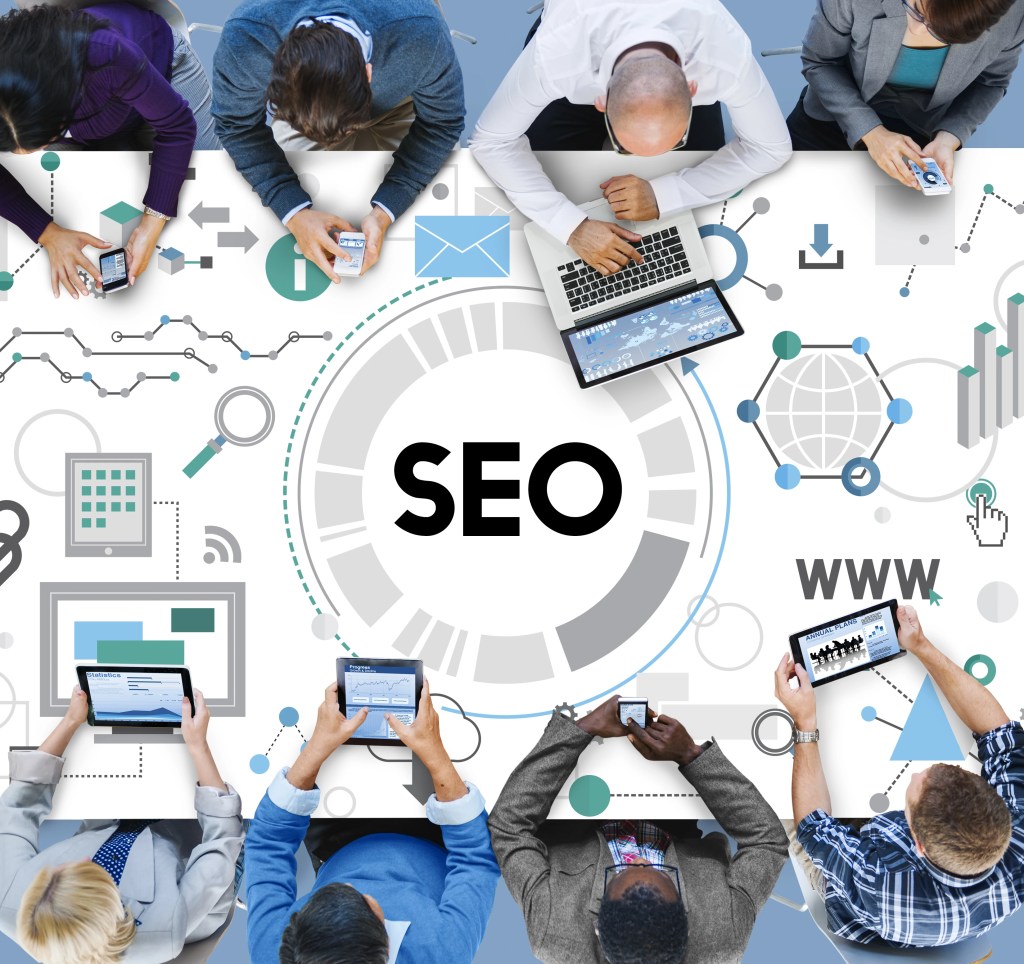
Technical SEO Basics
Technical SEO ensures your website is fast, crawlable, and properly structured so search engines can discover and index your content without obstacles. No matter how good your content is, technical issues can prevent it from ranking.
Critical Technical SEO Factors:
- Page Speed Optimization — Aim for under 2.5 seconds load time (Core Web Vitals)
- Mobile Responsiveness — Over 60% of Google searches happen on mobile
- Clean URL Structure — Use short, descriptive, keyword-rich URLs
- Proper Indexing — Use robots.txt and sitemaps to guide Googlebot
- HTTPS Security — Google uses SSL as a ranking signal
→ Read next: How to Increase Website Speed
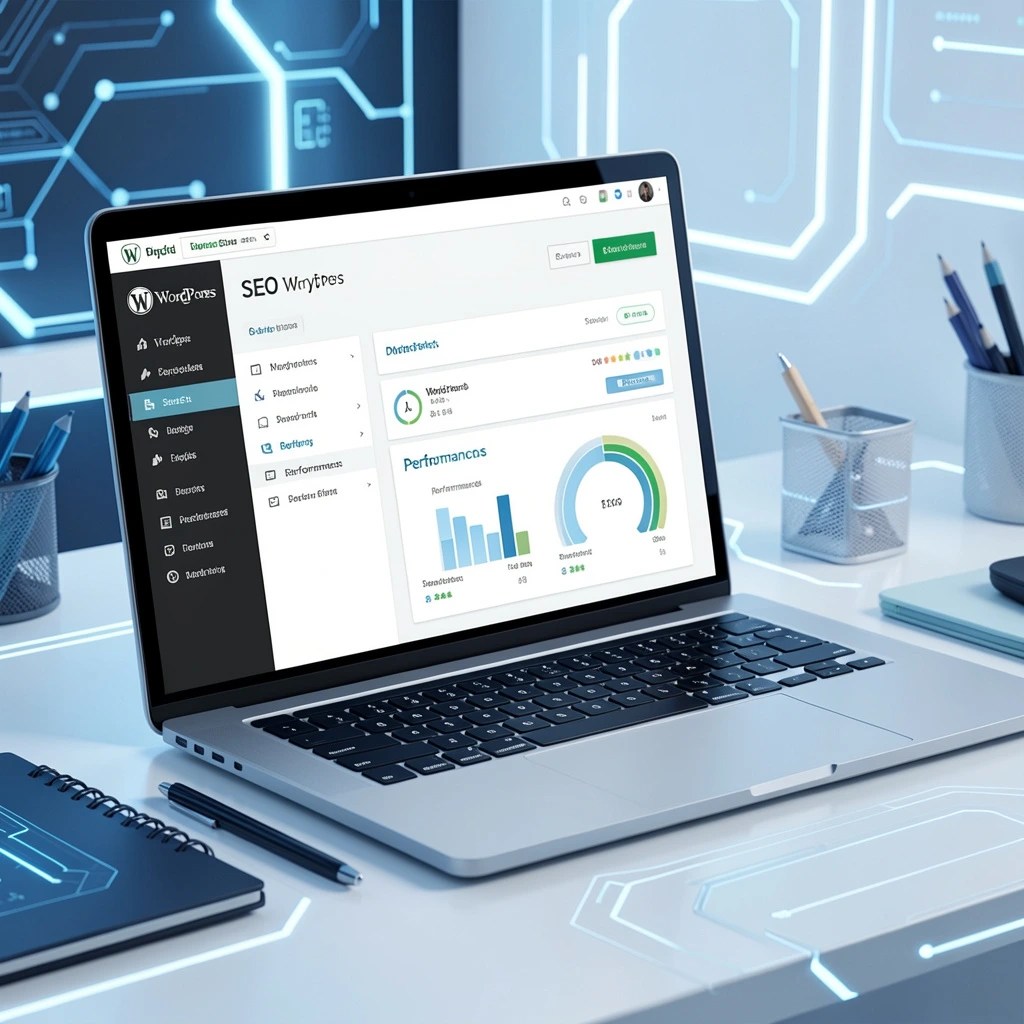
Google Search Console: Your Free SEO Command Center
Google Search Console (GSC) is a free and essential tool that shows exactly how your website performs in Google Search. It provides critical data on impressions, click-through rates, keyword rankings, indexing status, and technical errors.
What You Can Do with Google Search Console:
- Monitor which keywords drive impressions and clicks
- Identify and fix crawl errors and indexing issues
- Submit sitemaps to speed up content discovery
- Track Core Web Vitals and mobile usability
- Analyze internal and external links pointing to your site
→ Read next: Google Search Console Setup Guide

Google Ranking Strategy: How to Climb the SERPs
Ranking on the first page of Google requires more than just publishing content. You need a systematic, long-term approach that signals authority and relevance to search engines consistently.
Core Ranking Principles:
- Create E-E-A-T content: Experience, Expertise, Authoritativeness, Trustworthiness
- Build topic clusters: one pillar page supported by 5–10 related articles
- Use strategic internal linking to connect all related content
- Publish consistently — Google rewards active, regularly updated sites
- Earn high-quality backlinks from authoritative domains in your niche
Local SEO: Dominate Google Maps & Local Search
Local SEO is essential for businesses targeting customers in a specific geographic area. It helps you rank in Google’s Local Pack and local organic search results — where most purchase-intent searches happen.
Local SEO Must-Dos:
- Claim and fully optimize your Google Business Profile
- Use location-specific keywords in titles, content, and meta tags
- Build local citations (NAP consistency across directories)
- Earn and respond to Google reviews regularly
- Create location-specific landing pages for multiple service areas
→ Read next: How to Rank Your Local Business on Google Maps

Content Strategy for Sustainable Growth
Successful websites don’t publish random articles — they follow a structured content strategy designed to build topical authority and maximize internal link equity.
The Winning Content Framework:
- Build pillar pages around broad, high-volume topics
- Create 5–10 supporting articles that deep-dive into subtopics
- Interlink all related content in a logical hub-and-spoke model
- Audit and update old content every 6–12 months to maintain rankings
- Repurpose top-performing content into videos, infographics, and social posts
Best SEO Tools to Accelerate Growth
The right tools dramatically reduce the time needed for research, auditing, and optimization:
- Keyword Research — Ahrefs, SEMrush, Google Keyword Planner, Ubersuggest
- SEO Audit — Screaming Frog, Sitebulb, Ahrefs Site Audit
- Rank Tracking — SerpWatcher, AccuRanker, Google Search Console
- Content Optimization — Surfer SEO, Clearscope, Frase
- Browser Extensions — MozBar, SEOquake, Keywords Everywhere
Common SEO Mistakes That Kill Rankings
- Keyword Stuffing — Over-optimizing with unnatural keyword repetition
- Weak Internal Linking — Leaving pages as isolated orphans with no internal links
- Poor Content Structure — Long walls of text with no headings or visual hierarchy
- Ignoring Search Intent — Writing content that doesn’t match what users actually want
- Inconsistent Publishing — Stopping and starting content creation erratically
- Neglecting Technical SEO — Slow pages, crawl errors, and mobile issues left unfixed
Related Guides: Expand Your Online Growth
- How to Make Money Online
- Passive Income Ideas
- How to Use ChatGPT for Content Creation
- Top Side Hustle Ideas
- The Digital Nomad Lifestyle Guide
SEO Is a Long-Term System
SEO is not a one-time task — it is a compounding, long-term system. Websites that consistently publish useful content, optimize pages properly, fix technical issues proactively, and build strong internal linking structures grow steadily and predictably over time.
Start implementing today. Consistent action beats perfect strategy every time.
