
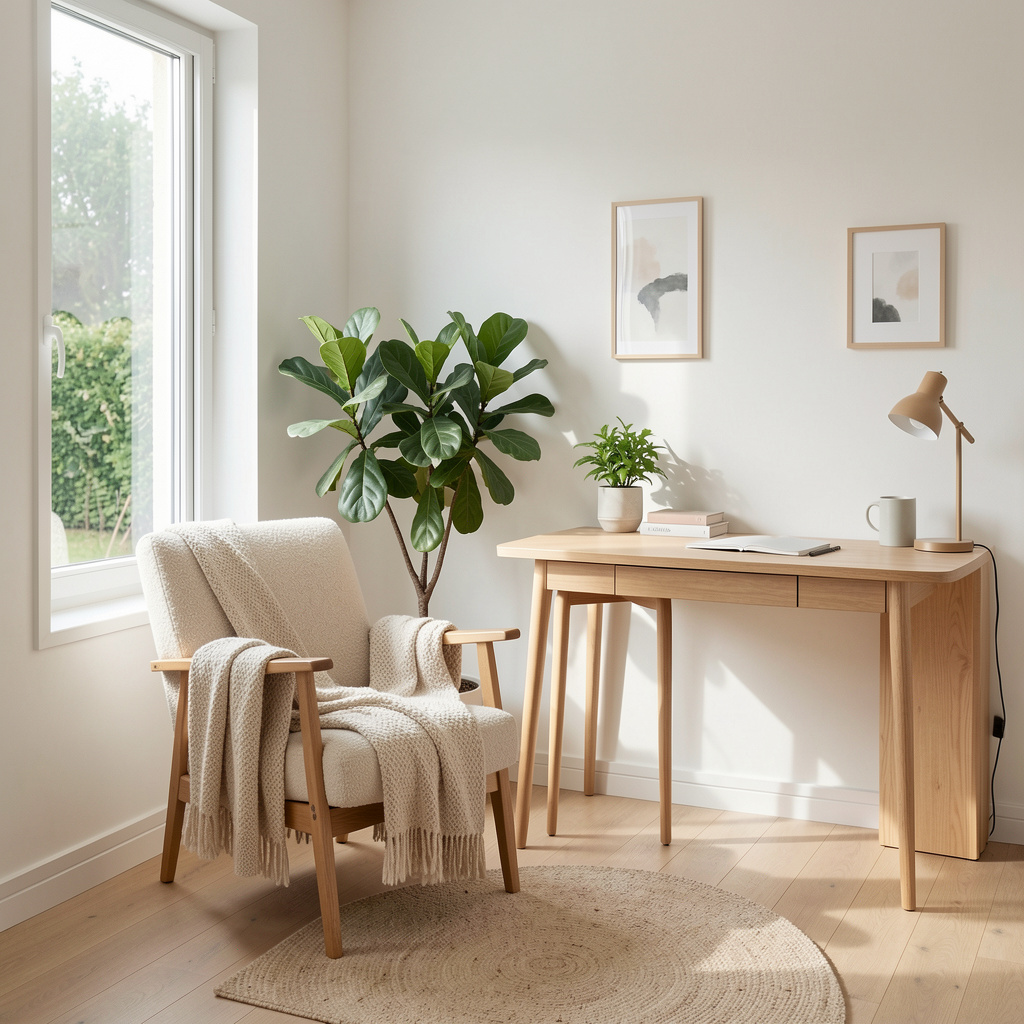
In today’s fast-paced world filled with constant notifications, consumer pressure, and overwhelming choices, adopting a minimalist lifestyle has become more valuable than ever. Modern life encourages accumulation—more clothes, more gadgets, more commitments, and more distractions. However, this “more is better” mindset often leads to stress, financial pressure, and mental exhaustion.
Minimalism offers a different approach. It is not about living with nothing or denying yourself comfort. Instead, it is about intentionally choosing to live with less so you can focus on what truly matters. A minimalist lifestyle helps you reclaim your time, energy, money, and attention, allowing you to build a more meaningful and purposeful life.
When practiced consistently, minimalism improves mental clarity, enhances productivity, reduces unnecessary spending, and supports long-term personal growth. This guide explains how to adopt a minimalist lifestyle step by step and how it positively impacts your finances, mindset, and overall quality of life.
Table of Contents
- Why Minimalism Is a Life-Changing Philosophy
- Step 1: Declutter Your Physical Environment
- Step 2: Simplify Your Digital Life
- Step 3: Simplify Your Finances
- Step 4: Reduce Unnecessary Commitments
- Step 5: Experiences Over Possessions
- Step 6: Automate Daily Life
- Step 7: Minimalist Wardrobe
- Step 8: Simplify Health Habits
- Step 9: Mindset of “Enough”
- Frequently Asked Questions
- Related Posts
Why Minimalism Is a Life-Changing Philosophy
We live in a world dominated by excess. Most people struggle with cluttered homes filled with unused items, overloaded digital spaces and constant notifications, financial stress caused by impulsive spending, and overcommitted schedules with little time for rest. Minimalism challenges this cycle by encouraging simplicity and intentional living. Instead of focusing on more possessions, minimalism encourages clear priorities, financial control, meaningful experiences, reduced distractions, and better mental well-being. People who adopt a minimalist lifestyle often experience noticeable improvements such as reduced stress levels, improved focus, better financial habits, and increased satisfaction with life.
Step 1: Declutter Your Physical Environment
The first step toward minimalism is simplifying your physical space. Your surroundings have a direct impact on your mental state, focus, and productivity. Start by going through your home one area at a time. Sort items into categories: keep, donate, recycle, or sell. Start with small spaces like drawers or shelves. Avoid emotional decision-making for unnecessary items. A clean and organized environment reduces stress and creates mental clarity, and helps you become more aware of your consumption habits.
Step 2: Simplify Your Digital Life
Digital clutter is one of the biggest hidden sources of stress in modern life. To practice digital minimalism: unsubscribe from unnecessary emails and newsletters, delete apps you no longer use, organize files and photos regularly, limit time spent on social media, and turn off non-essential notifications. Reducing digital distractions improves concentration, emotional stability, and time management.
Step 3: Simplify Your Finances for Greater Freedom
Financial minimalism focuses on intentional spending and eliminating unnecessary expenses. Track your monthly income and expenses, cancel unused subscriptions, avoid impulse purchases, create a budget aligned with your priorities, and focus on saving and investing consistently. Financial minimalism does not mean spending nothing — it means spending consciously on things that truly matter. Over time, this approach helps you build savings, reduce debt, and achieve financial independence faster.
Step 4: Reduce Unnecessary Commitments
Many people feel overwhelmed not because they lack time, but because they take on too many commitments. Learn to say no without guilt, avoid overcommitting to social or professional obligations, focus on high-impact activities, and prioritize health, learning, and financial growth. Every unnecessary commitment takes away time and energy from your goals.
Step 5: Prioritize Experiences Over Material Possessions
One of the core principles of minimalism is valuing experiences more than material things. While possessions lose value over time, experiences create lasting memories and personal growth. Instead of spending on unnecessary products, invest in travel and cultural experiences, skill development and education, health and fitness activities, and meaningful time with family and friends. Experiences contribute to long-term happiness, while material possessions often provide only short-term satisfaction.
Step 6: Automate and Streamline Your Daily Life
Minimalism is not only about reducing things — it is also about increasing efficiency. You can automate your life by setting up automatic bill payments, automating savings and investments, using routines for daily tasks, and organizing your work schedule in advance. Automation frees mental energy, allowing you to focus on creativity, productivity, and personal growth instead of repetitive tasks.
Step 7: Build a Simple and Functional Wardrobe
A capsule wardrobe is a key part of minimalist living. Keep versatile, high-quality clothing pieces, avoid buying trendy short-term fashion items, donate clothes you rarely wear, and stick to a consistent style that suits your lifestyle. A simplified wardrobe saves time every morning and reduces unnecessary spending while improving personal style clarity.
Step 8: Simplify Your Health and Lifestyle Habits
Minimalism also applies to health and daily routines. Focus on eating simple, nutritious meals, avoiding highly processed foods, exercising regularly in a sustainable way, and maintaining consistent sleep schedules. A minimalist approach to health improves energy levels, mental clarity, and physical well-being, and supports productivity and long-term success.
Step 9: Adopt the Mindset of “Enough”
At the core of minimalism is a powerful mindset shift. Instead of constantly chasing more, minimalism teaches you to recognize when you already have enough. Choose quality over quantity, focus on purpose rather than possessions, avoid comparison with others, and practice gratitude for what you already have. When you embrace the idea of “enough,” you naturally reduce unnecessary consumption and experience greater peace of mind.
Frequently Asked Questions
Can I enjoy life while being a minimalist?
Yes. Minimalism enhances enjoyment by helping you focus on meaningful experiences rather than unnecessary possessions.
How long does it take to become a minimalist?
It varies for each person. Small improvements can be seen within weeks, while long-term lifestyle changes develop over months.
Do I need to get rid of everything I own?
No. Keep items that are useful or meaningful. The goal is intentional ownership, not elimination.
Does minimalism improve financial health?
Yes. By reducing unnecessary spending and increasing savings awareness, minimalism naturally improves financial stability over time.
