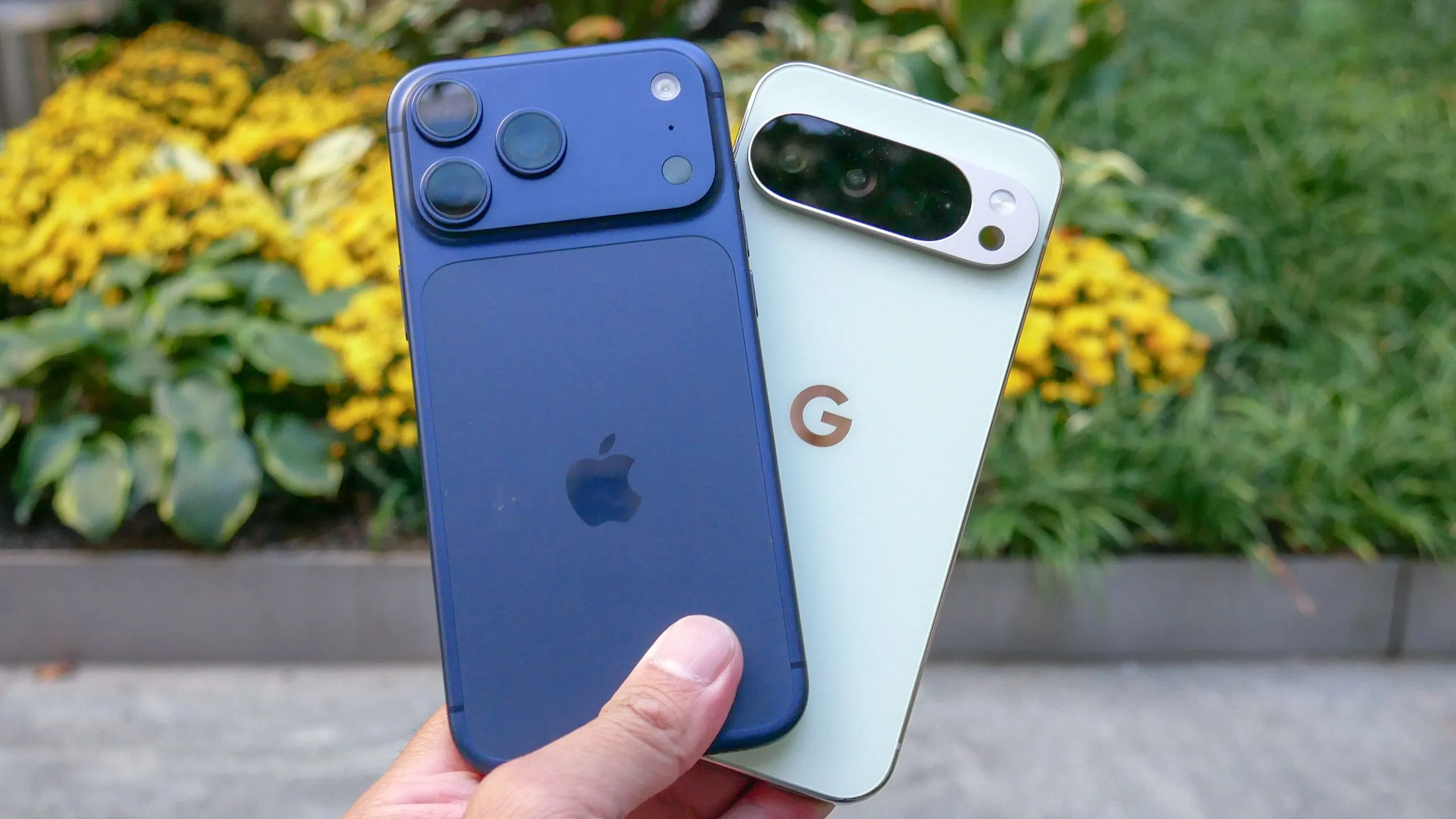
The premium smartphone market in 2026 is led by two major competitors: the Google Pixel 10 and the iPhone 17 Pro. Both devices represent the best innovation from Google and Apple, offering powerful processors, pro-level cameras, premium materials, and long-term software support.
If you are planning to buy a flagship phone this year, understanding the real differences between Pixel 10 and iPhone 17 Pro is essential. This detailed comparison explains everything clearly, including exact price differences in USD, performance comparison, camera quality, battery life, and long-term value.

Design and Build Quality
The Google Pixel 10 continues Google’s signature horizontal camera bar design, giving it a distinct and modern look. It features a matte glass back paired with a polished aluminum frame. The device feels solid in hand and offers IP68 water and dust resistance, making it durable for everyday use.
The iPhone 17 Pro, on the other hand, uses a titanium frame with a ceramic shield front and textured matte glass back. Apple focuses heavily on precision and luxury feel. The titanium build makes the phone lighter yet stronger compared to previous stainless-steel models.
In hand feel, the iPhone 17 Pro feels slightly more refined and premium, while the Pixel 10 feels bold and modern. Both phones are extremely durable and designed for long-term use.
Display Quality and Visual Experience
The Pixel 10 comes with a 6.3-inch OLED display featuring a 120Hz refresh rate. It offers vibrant colors, sharp details, and strong brightness levels that make it easy to use outdoors. Google also improves adaptive brightness and smooth scrolling with each generation.
The iPhone 17 Pro features a 6.3-inch Super Retina XDR display with ProMotion 120Hz technology. Apple is known for precise color calibration, natural tones, and smooth adaptive refresh rate transitions.
When watching HDR content, playing games, or scrolling social media, both displays look outstanding. The difference is minimal in daily use, though Apple’s color accuracy may appear slightly more natural, while Pixel displays sometimes look slightly more contrast-rich.
Performance and Speed
Performance is a major factor when comparing these two flagship phones.
The Pixel 10 runs on Google’s latest Tensor processor, designed specifically for artificial intelligence and machine learning. The chip focuses on real-time translation, smart voice commands, AI photography, and system-wide automation. In everyday tasks like browsing, social media, streaming, and multitasking, the phone feels smooth and responsive.
The iPhone 17 Pro is powered by Apple’s newest A-series chip, which continues to dominate benchmark tests. It delivers extremely fast app loading, powerful gaming graphics, and efficient video editing performance. Heavy users, mobile gamers, and content creators often notice Apple’s advantage in raw performance power.
In simple terms, the iPhone 17 Pro leads in peak performance and gaming. The Pixel 10 shines in AI-based features and smart system optimization.
Camera Comparison: Photography vs Video
Camera performance is often the deciding factor for buyers.
The Google Pixel 10 is widely recognized for computational photography. It captures detailed photos with excellent dynamic range and strong low-light performance. Google’s AI processing enhances portraits, night shots, and zoom images automatically. Photos often appear slightly more vibrant and dramatic straight from the camera.
The iPhone 17 Pro focuses heavily on professional video capabilities. It offers exceptional stabilization, cinematic recording modes, and consistent color science. Video creators, vloggers, and filmmakers prefer iPhone because of its reliable 4K recording and smooth frame transitions.
For photography lovers who want stunning photos without manual editing, the Pixel 10 often feels superior. For professional video recording and consistent color grading, the iPhone 17 Pro has the advantage.
Battery Life and Charging
Battery life is another important difference.
The Google Pixel 10 includes a battery capacity of around 4,900 mAh, allowing it to comfortably last a full day of heavy use. AI-driven battery management helps extend usage by learning your habits.
The iPhone 17 Pro has a slightly smaller battery capacity, estimated around 3,400–3,600 mAh, but Apple’s efficient processor ensures strong endurance. Despite the smaller battery, the phone easily lasts a full day for most users.
In real-world use, both devices provide similar battery life. However, Pixel may last slightly longer during heavy social media and streaming sessions. Charging speeds are competitive on both sides, with support for fast wired and wireless charging.
Software Experience and Updates
The Pixel 10 runs the latest Android version with a clean and minimal interface. Google promises up to seven years of software and security updates, making it one of the longest-supported Android devices available.
The iPhone 17 Pro runs the latest iOS version, known for smooth animations, security, and optimized app performance. Apple typically provides five to six years of software updates.
If you prefer customization, widgets, and more control over your device, Android on Pixel offers flexibility. If you prefer seamless ecosystem integration with MacBooks, iPads, and Apple Watches, the iPhone provides a tightly integrated experience.
Exact Price Difference in USD
Price plays a huge role in the final decision.
The Google Pixel 10 base model is expected to start around $799 in the United States. The Pixel 10 Pro version may start at approximately $999 depending on storage options.
The iPhone 17 Pro base model is expected to start around $1,099 in the United States. Higher storage variants can easily reach $1,299 or more.
This creates a price difference of roughly $300 between the Pixel 10 base model and the iPhone 17 Pro base model.
For buyers looking for maximum value per dollar, the Pixel 10 offers flagship features at a more affordable price. The iPhone 17 Pro, while more expensive, justifies its price with premium materials, powerful performance, and strong resale value.
Long-Term Value and Resale
Apple devices historically retain resale value better than most Android phones. An iPhone 17 Pro purchased for $1,099 may still sell for a strong price after two or three years.
Pixel phones generally depreciate faster, though Google’s longer update support may improve resale value compared to older generations.
If long-term resale matters, the iPhone may be a better investment. If upfront savings matter more, Pixel delivers stronger immediate value.
Final Verdict: Which One Is Better?
The Google Pixel 10 is ideal for users who want strong AI features, excellent photography, long software support, and better upfront pricing at around $799 to $999.
The iPhone 17 Pro is better suited for users who prioritize premium design, powerful gaming performance, professional video recording, and deep Apple ecosystem integration at a starting price of around $1,099.
Both smartphones are outstanding flagship devices in 2026. The final choice depends on your budget, ecosystem preference, and whether you value AI photography or professional video performance more.
NxtQuantum OS: India’s Bold Leap Toward a Sovereign Mobile Ecosystem