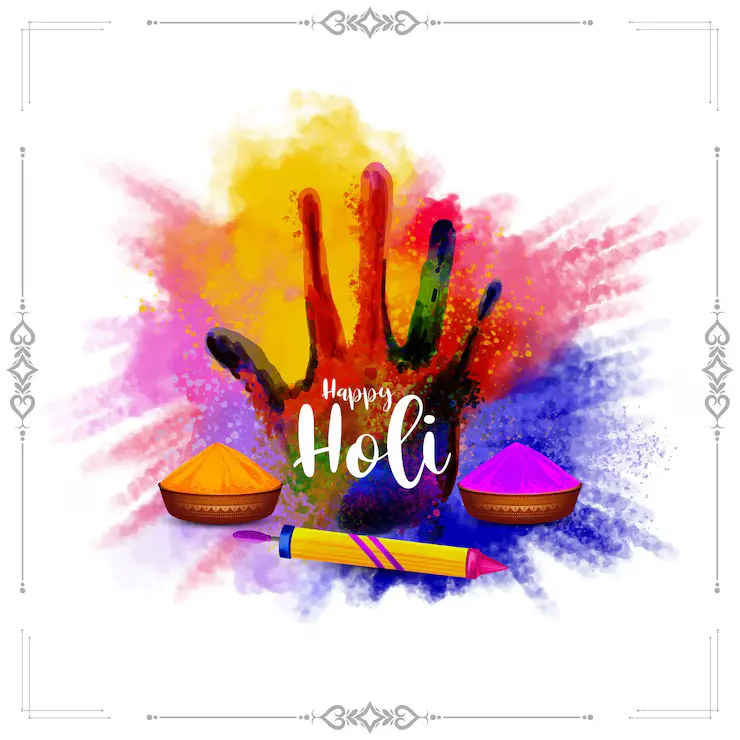
Holi, often referred to as the festival of colors, is one of India’s most vibrant and widely celebrated festivals. Marking the arrival of spring, Holi is more than just a day of fun and colors—it is a celebration of unity, love, and the triumph of good over evil. From bustling streets in India to Indian communities worldwide, the festival unites people regardless of age, caste, or background, creating an atmosphere of joy, laughter, and togetherness.
In this article, we dive deep into the history, significance, traditions, rituals, food, and modern celebrations of Holi, making it a complete guide for enthusiasts and curious readers alike.

History and Mythological Significance of Holi
Holi has its roots deeply embedded in Hindu mythology. There are several legends associated with this festival:
- The Legend of Prahlad and Holika
The most popular story behind Holi is the tale of Prahlad, a devotee of Lord Vishnu, and his evil aunt Holika. Holika attempted to burn Prahlad in a fire due to her brother King Hiranyakashipu’s orders. However, Prahlad was saved by divine intervention, symbolizing the victory of good over evil. The burning of Holika, known as Holika Dahan, is celebrated on the eve of Holi. - The Legend of Radha and Krishna
Holi is also associated with Lord Krishna, who playfully smeared colors on Radha and the gopis (cowherd girls). This tale signifies love, devotion, and joy, inspiring the tradition of throwing colors among friends and family. - Agricultural Significance
Historically, Holi also marks the end of the winter season and the harvest of Rabi crops, celebrating fertility, prosperity, and the bounty of nature.
When is Holi Celebrated?
Holi is celebrated on the full moon day (Purnima) of the Hindu month of Phalguna, which usually falls in February or March. The festival spans two days:
- Day 1: Holika Dahan – Also known as Chhoti Holi, this day is dedicated to bonfires that symbolize the destruction of evil.
- Day 2: Rangwali Holi / Dhulandi – The main day of celebration when people throw colors, water balloons, and enjoy music, dance, and festive foods.
The date changes every year based on the Hindu lunar calendar, making it a movable feast.
Traditional Holi Rituals and Celebrations
Holi is celebrated with a variety of rituals, customs, and community activities:
1. Holika Dahan (Bonfire Ceremony)
On the evening before Holi, communities gather to light large bonfires, representing Holika’s defeat and the triumph of virtue. People circle the fire, perform prayers, and offer grains and coconuts as symbolic offerings.
2. Playing with Colors (Rangwali Holi)
The most iconic aspect of Holi is throwing colored powders (gulal) and splashing colored water. Families and friends drench each other in bright colors while singing, dancing, and celebrating the spirit of togetherness.
3. Traditional Music and Dance
Holi is incomplete without folk songs, drums (dhol), and dance. Regions like Mathura, Vrindavan, and Barsana are famous for their lively Holi processions and traditional dances that draw crowds from all over the world.
4. Special Prayers and Offerings
Some communities also perform puja for prosperity and health, particularly during Holika Dahan. Devotees pray to Lord Vishnu and seek blessings for happiness and well-being.
Holi Foods and Festive Delicacies
No festival is complete without food, and Holi is known for its sumptuous sweets and snacks:
- Gujiya – A sweet dumpling filled with khoya (milk solids) and dry fruits, deep-fried and coated with sugar.
- Thandai – A refreshing, spiced milk drink often infused with bhang (cannabis leaves) in some regions.
- Malpua – A sweet pancake served with sugar syrup or rabri.
- Puran Poli, Dahi Vada, Samosa, and Pakoras – Popular savory snacks enjoyed throughout the festival.
Sharing food and sweets with neighbors and friends strengthens community bonds and adds to the festive spirit.
Holi Around India: Regional Variations
While the core theme of Holi—colors, joy, and victory of good over evil—remains constant, each Indian state celebrates the festival uniquely:
- Mathura and Vrindavan, Uttar Pradesh – Famous for Lathmar Holi, where women playfully beat men with sticks.
- Barsana, Uttar Pradesh – Women-centric Holi with vibrant processions and folk music.
- Punjab – Celebrated as Hola Mohalla, with martial arts displays, processions, and devotional singing.
- West Bengal – Known as Dol Jatra or Dol Purnima, celebrated with colored powders and singing devotional songs dedicated to Lord Krishna.
- Rajasthan and Gujarat – Incorporates folk dances like Ghoomar and Garba, along with community feasts.
These regional variations highlight India’s cultural diversity while keeping the festival’s core traditions intact.
Holi in Modern Times: Global Celebrations
Holi has transcended India’s borders and is now celebrated globally in countries like USA, UK, Australia, Canada, and UAE. International Holi festivals often include:
- Music festivals with DJs
- Community gatherings with colors
- Cultural programs showcasing Indian traditions
The global spread of Holi promotes Indian culture and traditions, making it a symbol of unity, joy, and multicultural celebration.
Tips for a Safe and Enjoyable Holi
While Holi is about fun and enjoyment, safety and responsibility are crucial:
- Use natural or organic colors to avoid skin allergies.
- Protect eyes and hair using sunglasses and applying oil to hair.
- Stay hydrated and consume food in moderation.
- Avoid reckless behavior, particularly with water balloons and slippery surfaces.
- Respect community rules and celebrate inclusively.
Following these precautions ensures a memorable and safe Holi experience for everyone.
The Spirit of Holi: Unity, Forgiveness, and Renewal
Beyond colors and sweets, Holi symbolizes:
- Forgiveness – Resolving past conflicts and strengthening relationships.
- Renewal – Letting go of negativity and welcoming new beginnings.
- Unity – People from different backgrounds come together to celebrate joy, friendship, and equality.
Holi reminds us that life is best lived with happiness, compassion, and togetherness, making it a festival that transcends religion, caste, and borders.
Conclusion
Holi is more than a festival of colors—it is a celebration of life, love, and culture. Whether it’s the vibrant streets of India, the traditional rituals in small towns, or global celebrations abroad, Holi brings people together in joyous harmony. From Holika Dahan to Rangwali Holi, traditional foods, and music, every moment reflects India’s rich heritage and cultural diversity.
This March 2026, join in the celebration of Holi and immerse yourself in a world of colors, joy, and unforgettable memories.