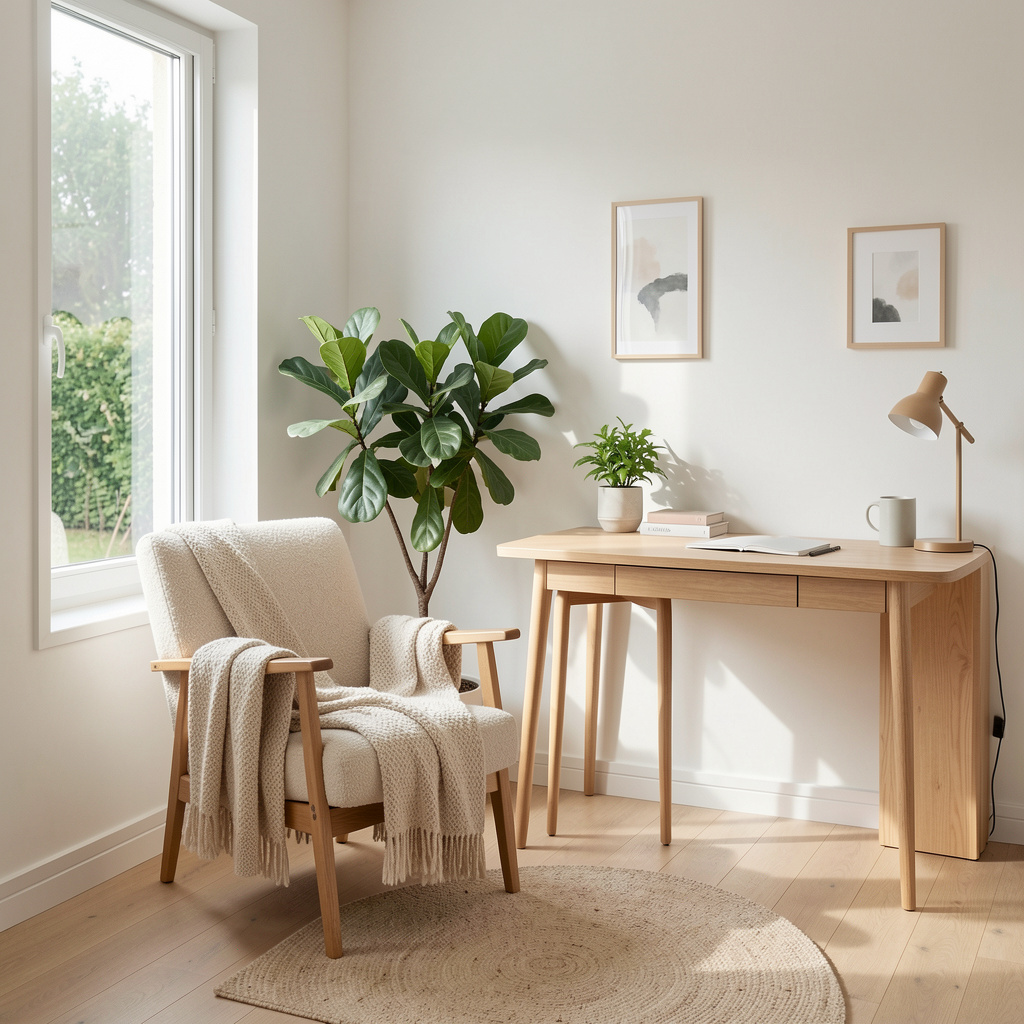
In a world full of distractions, clutter, and endless consumerism, a minimalist lifestyle is more powerful than ever.
Minimalism is not just about owning fewer things — it’s about reclaiming your time, energy, and focus. It impacts your lifestyle, financial health, and personal growth.
By simplifying your life, you can:
- Reduce stress and overwhelm
- Improve financial freedom
- Increase productivity
- Focus on what truly matters
This guide will show you how to adopt a minimalist lifestyle step by step while benefiting your money and growth.

Why Minimalism Is a Lifestyle Game-Changer
We live in a culture of excess:
- Too many possessions
- Too many commitments
- Too much information
- Too many distractions
Minimalism flips the script:
- Less clutter
- Clear priorities
- Fewer financial pressures
- More focus on meaningful experiences
People who embrace minimalism report:
- Reduced stress
- Better mental clarity
- Improved financial health
- Enhanced personal growth
Minimalism is not sacrifice. It is freedom.
Step 1: Declutter Your Physical Space
Start with your environment:
- Go room by room
- Keep only what you use or love
- Donate or sell unused items
- Avoid mindless purchases
Decluttering improves:
- Mental clarity
- Productivity
- Financial awareness
Your space reflects your mind. A tidy environment encourages discipline and focus.
Step 2: Simplify Your Digital Life
Digital clutter affects focus and energy:
- Unsubscribe from unnecessary emails
- Delete unused apps
- Organize files and photos
- Reduce social media usage
Digital minimalism improves:
- Concentration
- Emotional health
- Time management
Time saved is energy gained for growth and earning potential.
Step 3: Simplify Your Finances
Minimalism in finances means spending intentionally:
- Track all expenses
- Reduce unnecessary subscriptions
- Avoid impulsive purchases
- Focus on saving and investing
Financial minimalism allows:
- Faster wealth accumulation
- Less stress about money
- More conscious spending decisions
Your money should serve your goals, not your impulses.
Step 4: Reduce Commitments
Being busy is often mistaken for productivity.
Minimalism teaches:
- Learn to say no
- Focus on high-value tasks
- Prioritize health, growth, and financial goals
Overcommitting leads to burnout and poor decision-making.
Less is more.
Step 5: Focus on Experiences Over Things
Minimalists value:
- Relationships
- Learning
- Personal growth
- Travel
- Health
Instead of buying the latest gadgets, invest in:
- Skills development
- Experiences that create memories
- Activities that improve lifestyle and health
Experiences provide long-term happiness. Things depreciate.
Step 6: Automate and Systematize
Minimalism isn’t only about less—it’s about efficiency:
- Automate bill payments
- Automate savings and investments
- Create routines for work and personal life
Automation reduces mental load and frees time for meaningful pursuits.
Step 7: Adopt a Capsule Wardrobe
Simplify clothing to reduce decision fatigue:
- Keep versatile, quality pieces
- Donate what you don’t wear
- Avoid trendy, impulse purchases
Decision fatigue wastes energy that could be spent on productivity and growth.
Step 8: Simplify Food and Health Habits
Adopt simple routines for health:
- Prepare simple, nutritious meals
- Limit processed foods
- Exercise regularly
- Prioritize sleep
Minimalism in health improves:
- Energy
- Productivity
- Mental clarity
A simple, healthy lifestyle supports wealth-building and personal growth.
Step 9: Track Your Minimalist Progress
Use journals or apps to monitor:
- Items decluttered
- Money saved
- Time freed
- Stress reduced
Tracking progress reinforces discipline and motivation.
Step 10: Embrace the Mindset of Enough
Minimalism is ultimately a mindset:
- Enough is better than more
- Value quality over quantity
- Seek purpose, not possessions
When you internalize this philosophy, lifestyle, money, and growth naturally improve.
How Minimalism Boosts Lifestyle, Money, and Growth
- Lifestyle: Less stress, more focus, better health
- Money: Fewer unnecessary expenses, faster savings, investments
- Growth: Mental clarity, time for learning, more opportunities
Minimalism allows you to focus on what truly matters—your goals, relationships, and personal development.
Common Minimalist Mistakes to Avoid
- Over-simplifying to the point of restriction
- Being inconsistent
- Ignoring emotional attachment to habits
- Trying to declutter everything at once
- Confusing minimalism with deprivation
Minimalism is about conscious choices, not extremes.
Frequently Asked Questions (FAQ)
Can I be a minimalist while still enjoying life?
Yes. Minimalism is about prioritizing what adds value, not avoiding pleasure.
How long does it take to adopt a minimalist lifestyle?
Start small. Notice improvements in weeks, with lifestyle, money, and clarity benefits compounding over months.
Do I have to get rid of all my belongings?
No. Keep items that are useful or bring joy. Focus on quality over quantity.
Does minimalism help me earn more?
Indirectly, yes. Simplifying finances and reducing unnecessary spending allows more money to save, invest, and grow.
Final Thoughts: Minimalism Is Freedom, Not Restriction
A minimalist lifestyle frees you from:
- Clutter
- Distractions
- Financial stress
- Mental overload
With simplicity, you gain time, energy, and clarity.
Minimalism improves lifestyle, supports wealth, and accelerates personal growth.
Start small today—declutter a drawer, unsubscribe from emails, or review your budget. Each small action compounds into freedom and success.