
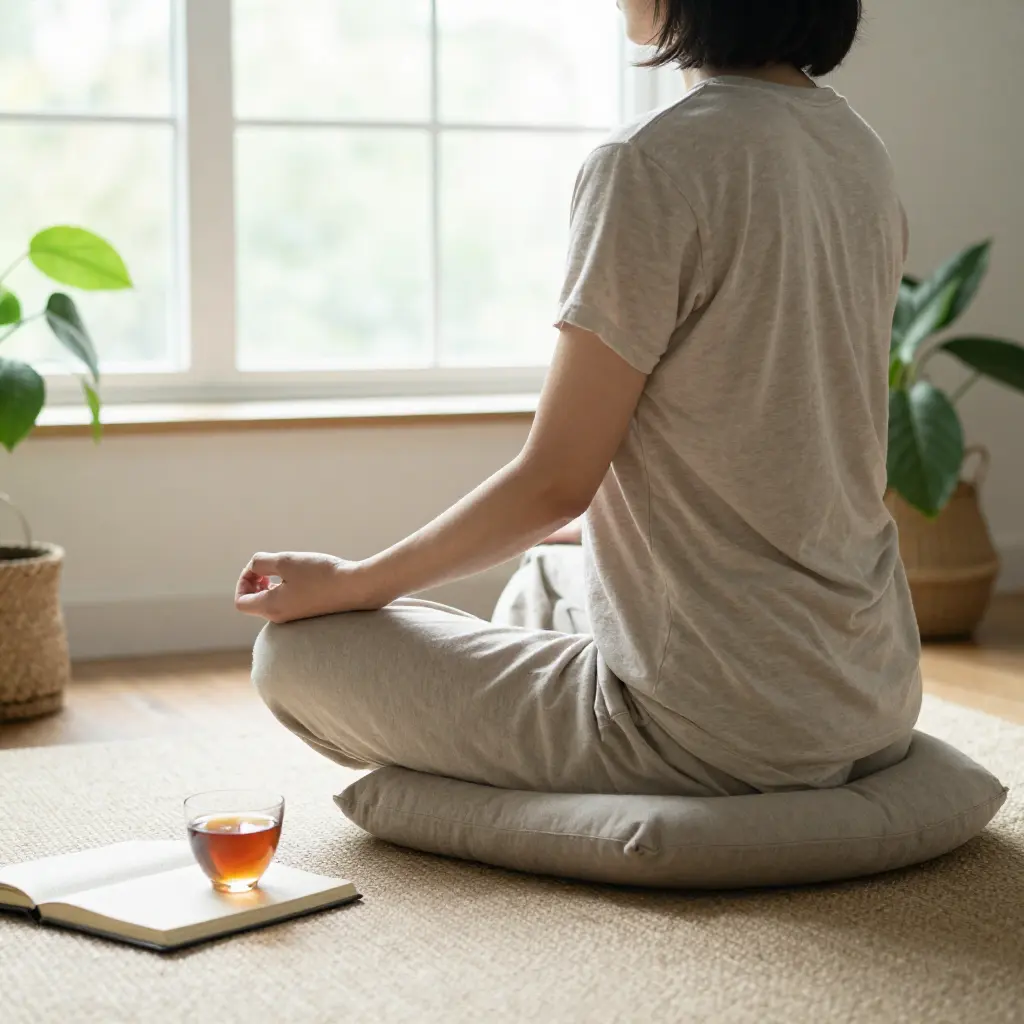
Mental resilience is the ability to adapt, recover, and remain emotionally balanced during stressful situations and life challenges. In today’s fast-paced world, people face constant pressure from work responsibilities, financial concerns, family obligations, social expectations, and digital overload. These stressors can affect emotional well-being, productivity, relationships, and physical health if not managed properly.
The good news is that mental resilience is not something people are simply born with. It is a skill that can be developed through daily habits, self-awareness, and consistent practice. Just like physical fitness strengthens the body, healthy mental habits strengthen emotional endurance and improve the ability to handle setbacks.
Building mental resilience does not mean avoiding stress completely. Instead, it means learning how to manage stress effectively, maintain emotional stability, and continue moving forward even during difficult times. This guide explores practical and detailed strategies to help you strengthen your mental health, improve emotional balance, and create long-term resilience in everyday life.
Table of Contents
Step 1: Practice Daily Mindfulness
Mindfulness is one of the most effective tools for reducing stress and improving emotional resilience. It involves paying attention to the present moment without judgment. Instead of worrying about the future or replaying past mistakes, mindfulness helps you stay grounded in the current moment.
Practicing mindfulness regularly can improve focus, emotional regulation, self-awareness, and overall mental clarity. Studies have shown that mindfulness can reduce symptoms of anxiety, depression, and chronic stress.
Simple Ways to Practice Mindfulness
Meditation
Spend five to ten minutes each day sitting quietly and focusing on your breathing. If your mind wanders, gently bring your attention back to your breath. Meditation does not require perfection. The goal is simply to create moments of awareness and calmness.
Mindful Breathing
Take short breathing breaks during stressful moments. Inhale slowly through your nose, hold for a few seconds, and exhale gradually. Deep breathing helps calm the nervous system and reduce tension.
Mindful Eating
Avoid distractions while eating. Focus on the taste, texture, and smell of food. Eating mindfully improves digestion and helps create healthier habits.
Mindful Walking
During walks, notice your surroundings, breathing, and body movements. This simple practice can improve relaxation and mental clarity.
Pairing mindfulness with existing habits, such as morning routines or bedtime rituals, makes it easier to stay consistent.
Step 2: Maintain a Healthy Sleep Routine
Sleep plays a major role in mental health and emotional resilience. Poor sleep affects mood, concentration, memory, and stress management. Chronic sleep deprivation can increase anxiety, irritability, and emotional exhaustion.
Creating a healthy sleep routine helps your body and mind recover from daily stress.
Steps for Better Sleep
Maintain Consistent Sleep Times
Go to bed and wake up at the same time every day, including weekends. A regular schedule helps regulate your internal body clock.
Reduce Screen Time Before Bed
Avoid phones, laptops, and television at least one hour before sleeping. Blue light from screens can interfere with melatonin production and make it harder to fall asleep.
Create a Relaxing Night Routine
Calming activities before bed can improve sleep quality. Examples include:
- Reading
- Journaling
- Gentle stretching
- Meditation
- Listening to relaxing music
Optimize Your Sleep Environment
Keep your bedroom cool, dark, and quiet. Comfortable bedding and reduced noise can significantly improve sleep quality.
Tracking sleep patterns using a journal or app can help identify habits that improve or disrupt rest.
Step 3: Build a Strong Support System
Humans are naturally social beings, and strong relationships play a critical role in emotional well-being. Having supportive friends, family members, or communities can help reduce stress, increase confidence, and improve resilience during difficult times.
Isolation and lack of support can increase feelings of anxiety and emotional exhaustion. Building healthy connections creates emotional security and encourages personal growth.
Ways to Strengthen Social Support
- Schedule regular calls or meetups with friends and family
- Join local clubs, classes, or online communities
- Participate in group activities or volunteering
- Share thoughts and emotions openly with trusted individuals
Even small social interactions can positively impact mental health. For example, a weekly conversation with a close friend can reduce loneliness and improve mood.
Seeking professional support is also important when stress becomes overwhelming. Therapists, counselors, and mental health professionals provide guidance and coping strategies for managing emotional challenges.
Step 4: Stay Physically Active
Physical activity benefits both the body and the mind. Exercise releases endorphins, often called “feel-good hormones,” which help improve mood and reduce stress.
Regular movement can:
- Lower anxiety and depression symptoms
- Improve sleep quality
- Increase energy levels
- Boost confidence
- Improve emotional resilience
Recommended Exercise Goals
Aim for at least 150 minutes of moderate physical activity each week. This can include:
- Walking
- Cycling
- Yoga
- Strength training
- Stretching routines
- Home workouts
You do not need intense gym sessions to benefit from exercise. Consistent movement is more important than intensity.
Home-Friendly Exercise Ideas
- Bodyweight workouts
- Dance sessions
- Online yoga classes
- Stair climbing
- Outdoor walks
Exercise also creates a healthy outlet for emotional stress and frustration.
Step 5: Use Journaling for Emotional Clarity
Journaling is a powerful tool for understanding emotions and managing stress. Writing thoughts down helps organize feelings, identify patterns, and process difficult experiences.
Regular journaling can improve self-awareness, emotional control, and problem-solving skills.
How to Start Journaling
Spend five to ten minutes daily or weekly writing about:
- Emotions and moods
- Stress triggers
- Personal achievements
- Gratitude
- Goals and reflections
There is no right or wrong way to journal. The goal is honesty and self-expression.
Benefits of Journaling
- Reduces anxiety
- Encourages emotional release
- Improves self-reflection
- Helps identify negative thought patterns
- Tracks personal growth over time
For example, writing after a stressful day can help release tension and create perspective on possible solutions.
Step 6: Manage Stress with Healthy Techniques
Stress is a natural part of life, but unmanaged stress can negatively affect mental and physical health. Learning healthy coping mechanisms improves resilience and prevents burnout.
Effective Stress Management Techniques
Deep Breathing Exercises
Controlled breathing slows the heart rate and calms the nervous system. Simple breathing exercises can be practiced anywhere.
Progressive Muscle Relaxation
This technique involves tensing and relaxing different muscle groups to release physical tension.
Take Short Breaks
Stepping away from work or stressful situations for a few minutes helps reset focus and reduce overwhelm.
Spend Time in Nature
Outdoor environments can improve mood, reduce stress hormones, and increase mental clarity.
Practice Time Management
Poor time management often increases stress. Prioritizing tasks and creating schedules can improve productivity and reduce pressure.
Adding short “micro-breaks” throughout the day can prevent mental fatigue and improve concentration.
Step 7: Limit Negative Influences
The information and environment around you significantly impact mental health. Constant exposure to negativity, social comparison, or toxic environments can increase stress and anxiety.
Reduce Harmful Inputs
- Limit excessive news consumption
- Take breaks from social media
- Avoid constant comparison with others online
- Unfollow accounts that create negativity
Create Positive Digital Habits
Instead of consuming stressful content, choose content that:
- Educates
- Motivates
- Inspires
- Encourages growth
Set Healthy Boundaries
Protect your mental health by creating boundaries with toxic relationships or emotionally draining situations.
Digital detox days or technology-free hours can improve focus, sleep quality, and emotional balance.
Step 8: Build Positive Daily Habits
Small daily habits may seem insignificant, but over time they shape emotional resilience and overall well-being.
Positive routines create structure, reduce stress, and improve self-discipline.
Healthy Habits That Support Mental Resilience
- Morning routines
- Regular exercise
- Meal planning
- Staying hydrated
- Organizing your environment
- Limiting procrastination
- Practicing gratitude
Small accomplishments create a sense of progress and confidence. Even simple actions such as making your bed, preparing healthy meals, or completing a short workout can improve mental clarity and motivation.
Consistency matters more than perfection.
Step 9: Practice Self-Compassion
Many people are harder on themselves than they would ever be on others. Self-criticism can damage confidence and increase stress, while self-compassion encourages emotional healing and resilience.
Practicing self-compassion means treating yourself with understanding and kindness during setbacks or mistakes.
Ways to Develop Self-Compassion
Replace Negative Self-Talk
Instead of saying:
“I failed.”
Try saying:
“I am learning and improving.”
Accept Imperfection
Nobody succeeds all the time. Mistakes are opportunities for growth and learning.
Celebrate Progress
Recognize small improvements instead of focusing only on final outcomes.
Take Care of Yourself
Prioritize rest, healthy eating, hydration, and activities that support emotional well-being.
Self-compassion improves emotional recovery and reduces feelings of shame or frustration during difficult periods.
Step 10: Reflect and Set Weekly Goals
Reflection helps you stay aware of emotional patterns, progress, and areas that need improvement. Taking time to review your experiences can improve self-awareness and long-term resilience.
Weekly Reflection Questions
- What went well this week?
- What challenges did I face?
- How did I respond to stress?
- What habits supported my mental health?
- What can I improve next week?
Setting small goals for the upcoming week creates motivation and direction.
Examples of Weekly Goals
- Practice mindfulness four times this week
- Exercise for 20 minutes daily
- Reduce social media use before bed
- Spend more time outdoors
Combining reflection with gratitude journaling can strengthen positivity and emotional balance.
Sample Daily Mental Health Routine
Morning
- Wake up at a consistent time
- Practice mindfulness or meditation for 10 minutes
- Write three things you are grateful for
Afternoon
- Take short movement or breathing breaks
- Eat balanced meals and stay hydrated
- Go for a short walk or stretch
Evening
- Limit screen time before bed
- Reflect on the day through journaling
- Practice relaxation techniques before sleep
Even simple routines can create significant long-term improvements in emotional well-being.
Mental resilience is not built overnight. It develops gradually through consistent daily habits, healthy coping strategies, and self-awareness. By practicing mindfulness, improving sleep, staying physically active, managing stress, and building supportive relationships, you can strengthen your emotional well-being and handle life’s challenges more effectively.
The key to resilience is consistency rather than perfection. Small positive actions repeated daily can lead to lasting mental and emotional strength over time. Prioritizing your mental health is one of the most valuable investments you can make for a happier, healthier, and more balanced life.
For further personal growth, explore topics such as mindfulness practices, healthy routines, stress management, productivity, and creating supportive home environments to continue strengthening your emotional resilience and overall well-being.
References and External Study Links
- World Health Organization – Mental Health Overview — Information on mental health, resilience, and emotional well-being.
- American Psychological Association – Building Resilience — Research-backed strategies for improving mental resilience and coping skills.
- National Institute of Mental Health – Caring for Your Mental Health — Practical mental wellness habits and stress management guidance.
- Harvard Health – Mindfulness Meditation Benefits — Study insights on mindfulness reducing stress and anxiety.
- Sleep Foundation – Why Sleep Is Important for Mental Health — Research on sleep’s impact on emotional and mental well-being.
- PubMed – Physical Activity and Mental Health Review — Scientific review linking exercise with improved mental health and resilience.
- Mayo Clinic – Stress Management Techniques — Effective methods for reducing and managing stress.
- Verywell Mind – Benefits of Journaling for Mental Health — Overview of journaling benefits for emotional clarity and stress relief.
Internal Links for Further Reading:
- Boost your home environment: Healthy Home Habits That Transform Your Life
- Reduce stress through mindfulness: Mindfulness Practices for a Stress-Free Lifestyle
